Same Region, Different Instructions: Reggae, Dancehall, and Soca
Reggae and dancehall grew in Jamaica; soca took shape in Trinidad and Tobago. Each contains more than one mood or use.
Kellan Vail · May 26, 2026
Updated September 24, 2026
Reggae, dancehall, and soca can share a playlist. They are also names with histories, each attached to musicians, dancers, and communities. A useful guide starts with where the forms developed, then listens for variation within each one.
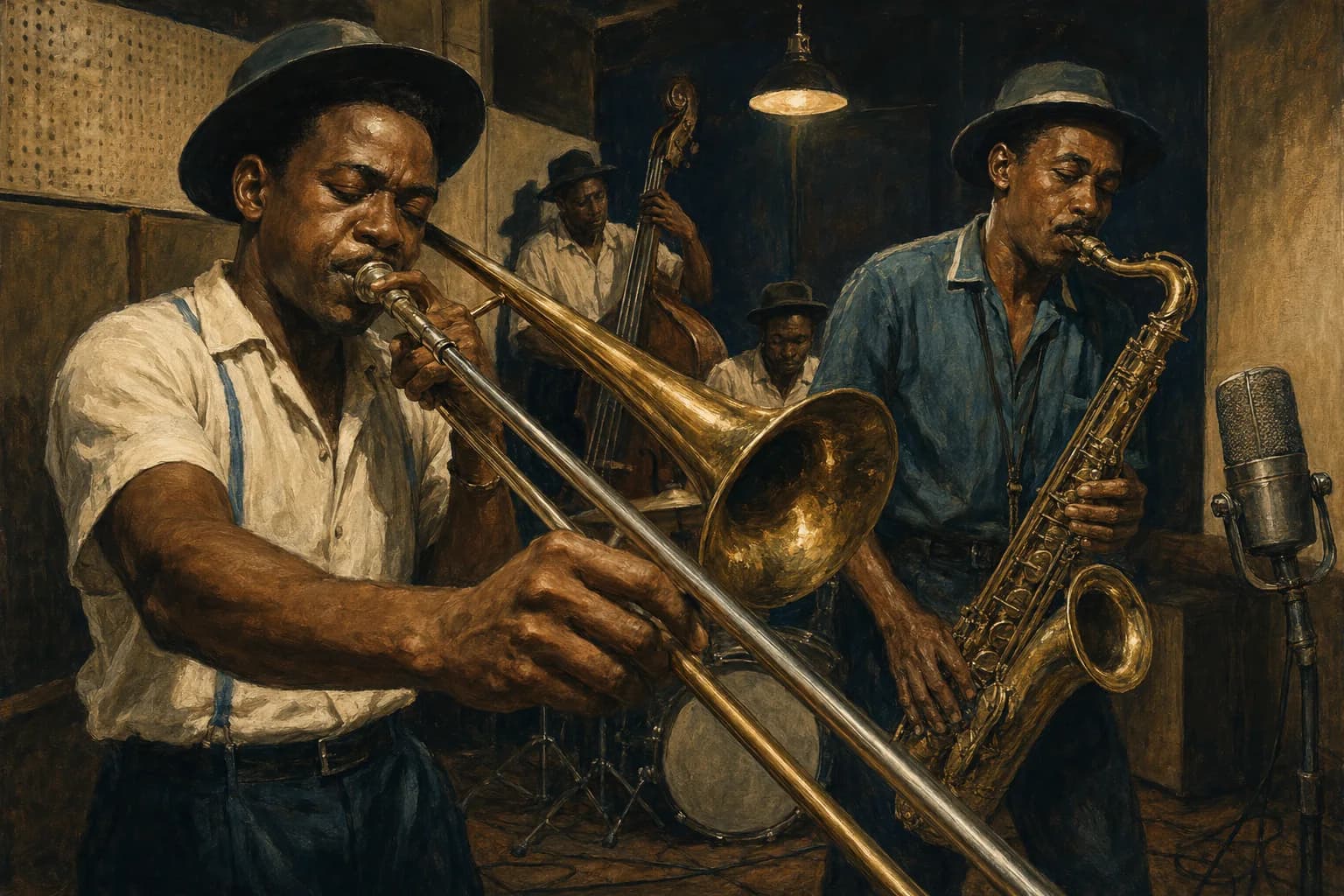
Reggae emerged in Jamaica in the late 1960s after ska and rocksteady. UNESCO's account describes its roots in marginalized communities in western Kingston and its musical mixture of local and international influences. Reggae can carry spiritual, social, romantic, or everyday subjects. A single drum pattern or a demand for political lyrics cannot define every reggae recording.
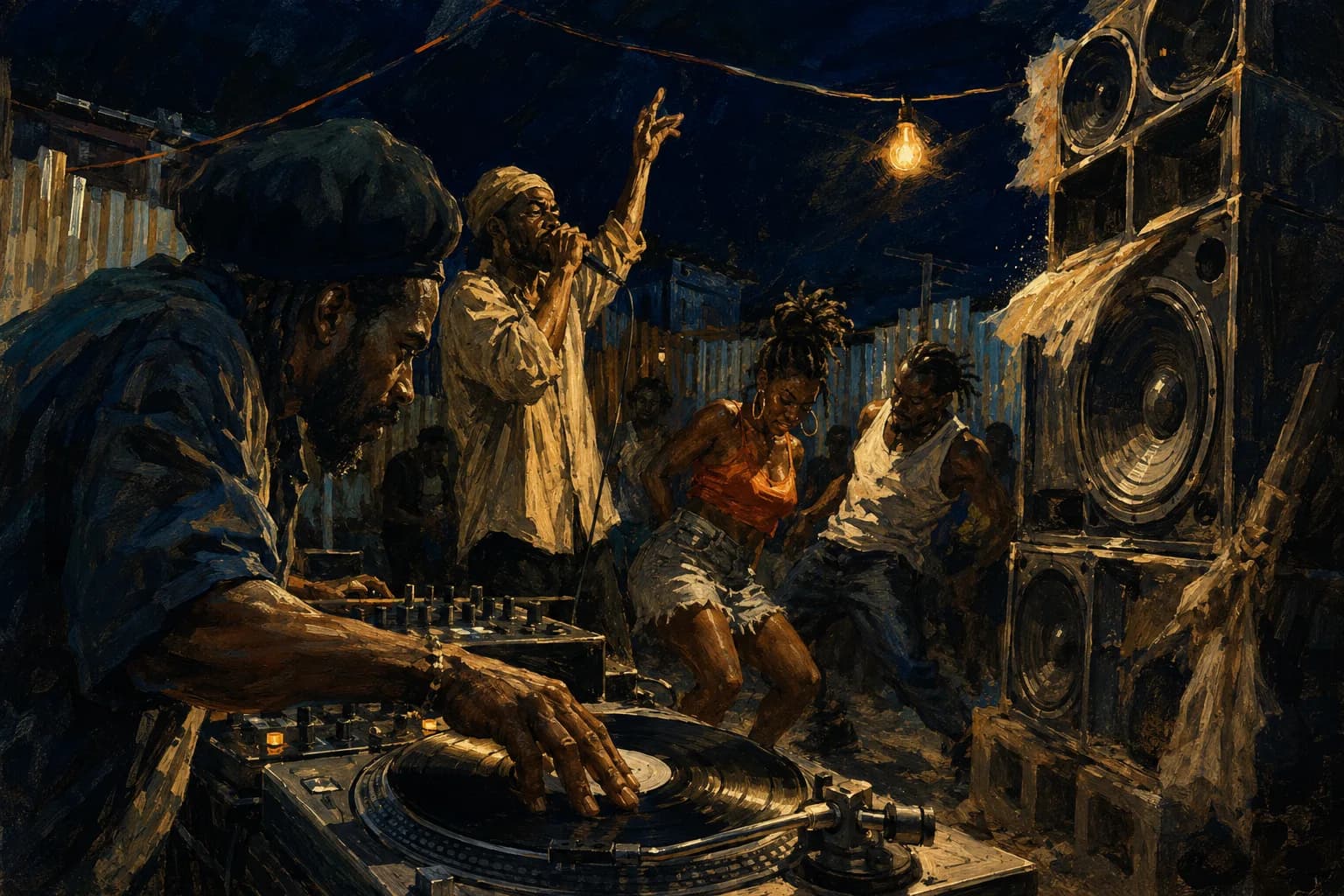
Dancehall developed in Jamaica later. The Jamaica Information Service traces its late 1970s beginnings and its rise in the following decades. Deejays, riddims, and sound-system performance are important to the story, as WIPO also records. Dancehall has its own changes over time, including both analog and digital production; it is more than reggae played faster or a permanent contest of aggression.
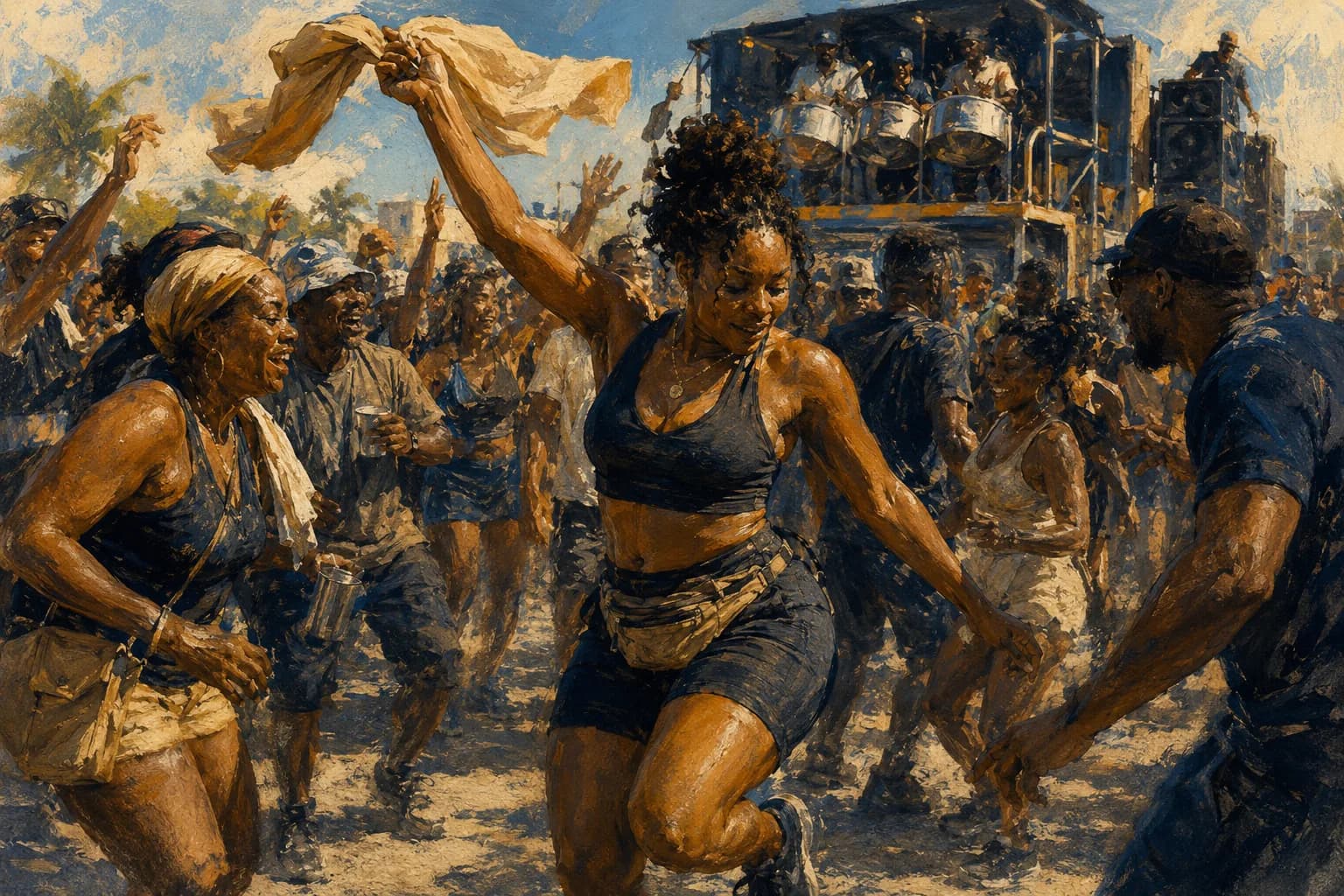
Soca's development belongs particularly to Trinidad and Tobago's calypso and Carnival histories. The National Library and Information System credits Ras Shorty I, who also performed as Lord Shorty, with a central role in its emergence. A University of the West Indies essay discusses how later musicians and producers shaped the sound and how the labels power and groovy soca came into use. A soca song may invite collective movement, tell a story, or take a quieter turn. It cannot be reduced to an instruction to jump.
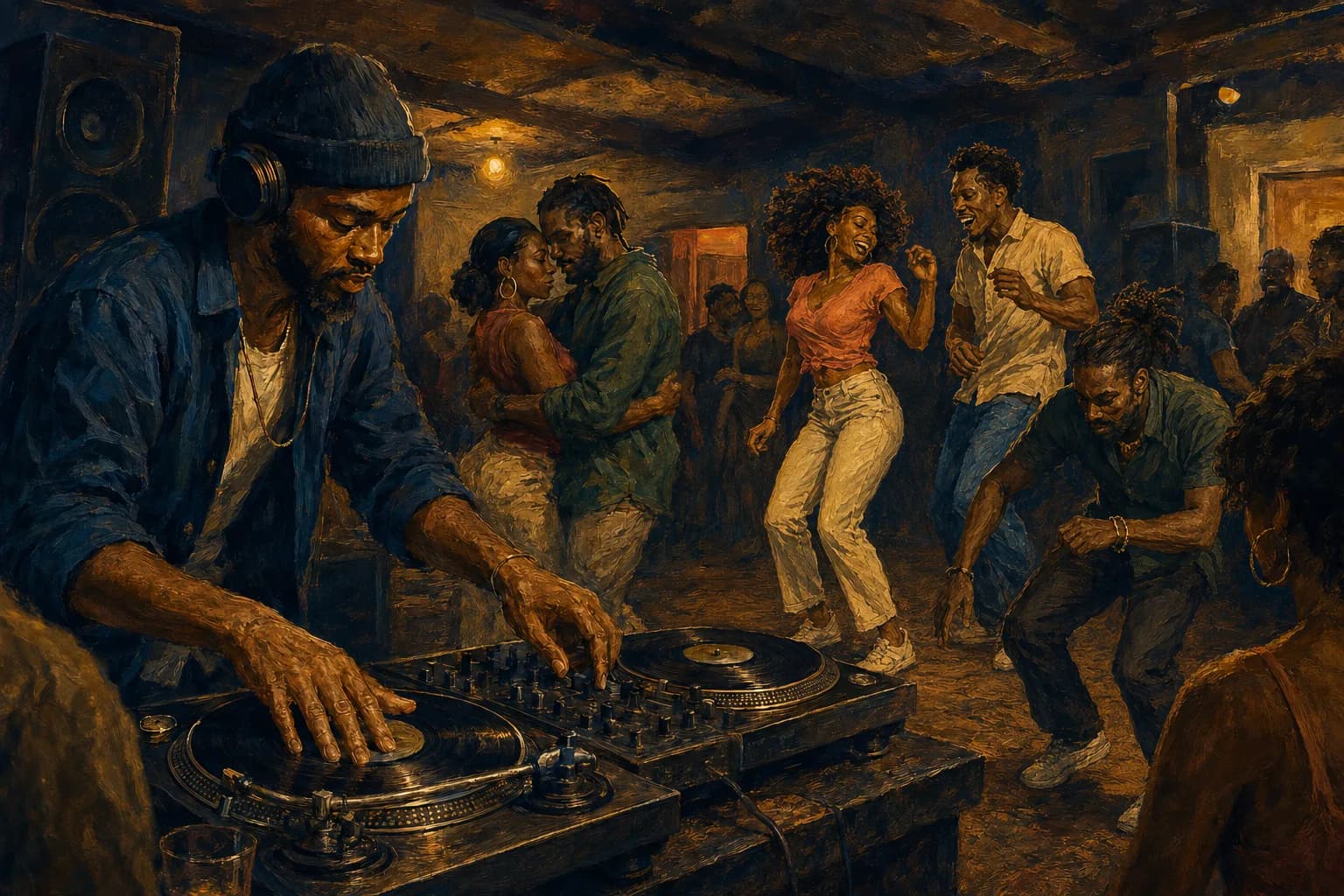
These categories are useful without becoming fences. Artists and producers listen across islands, and diaspora events can bring the genres into the same space. The terms identify particular lineages while leaving room for collaboration and mixed styles. They should help a newcomer follow an artist's craft, not police how an audience dances.
Start with a named track from each tradition and check the artist, place, year, and credits. Then listen for how a later record answers an earlier one. The differences grow clearer through actual music than through an imagined party where every person reacts in the same way.
Sources and further reading
See an error? Send a correction.