LuxTuris
Premium photorealistic soca performance editorial scene with vibrant road energy
Music
MusicTrinidad & Tobago5 min read

Soca: The Music That Moves the Road

Born in the 1970s from Lord Shorty's fusion of calypso and Indo-Trinidadian rhythm, soca was built to do one job: move a crowd.

LuxTuris Editorial Desk · July 7, 2026

socamusictrinidadcarnival

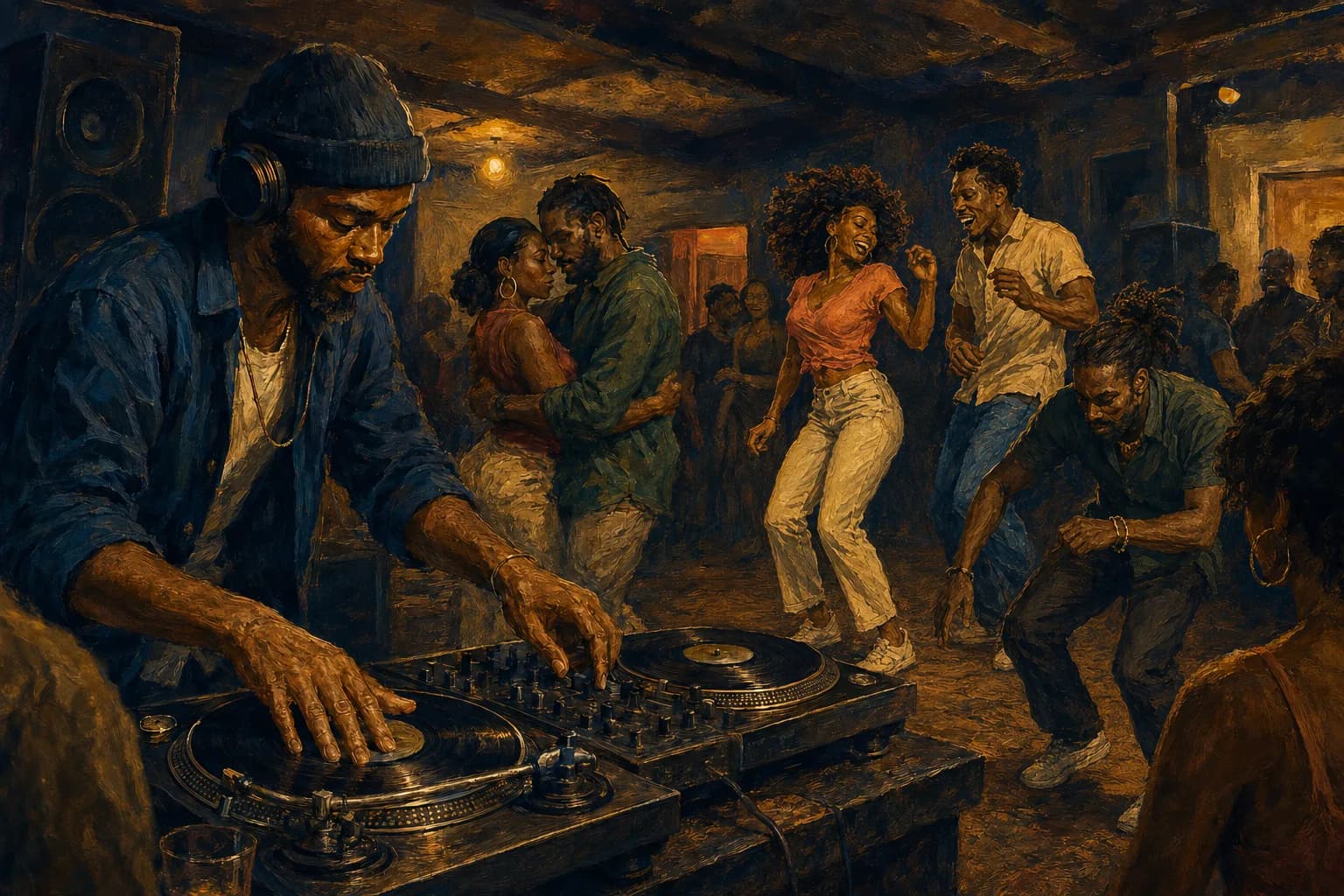
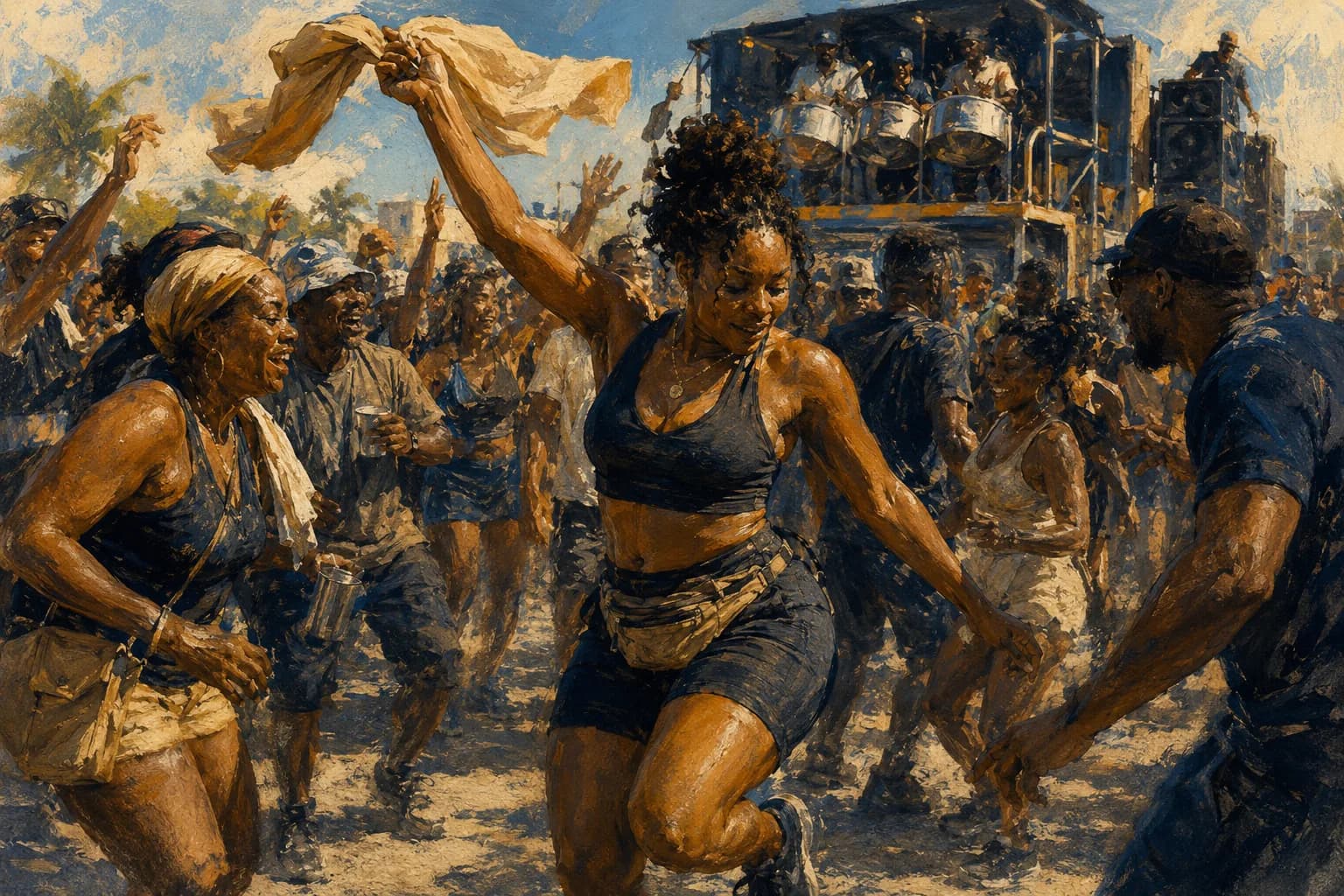
Before Carnival, speaker boxes rattle from trucks and sound checks across Port of Spain. Horns stab over a kick drum that sounds as though it is trying to raise the ancestors. The bassline is not something you hear so much as something that happens to your chest.

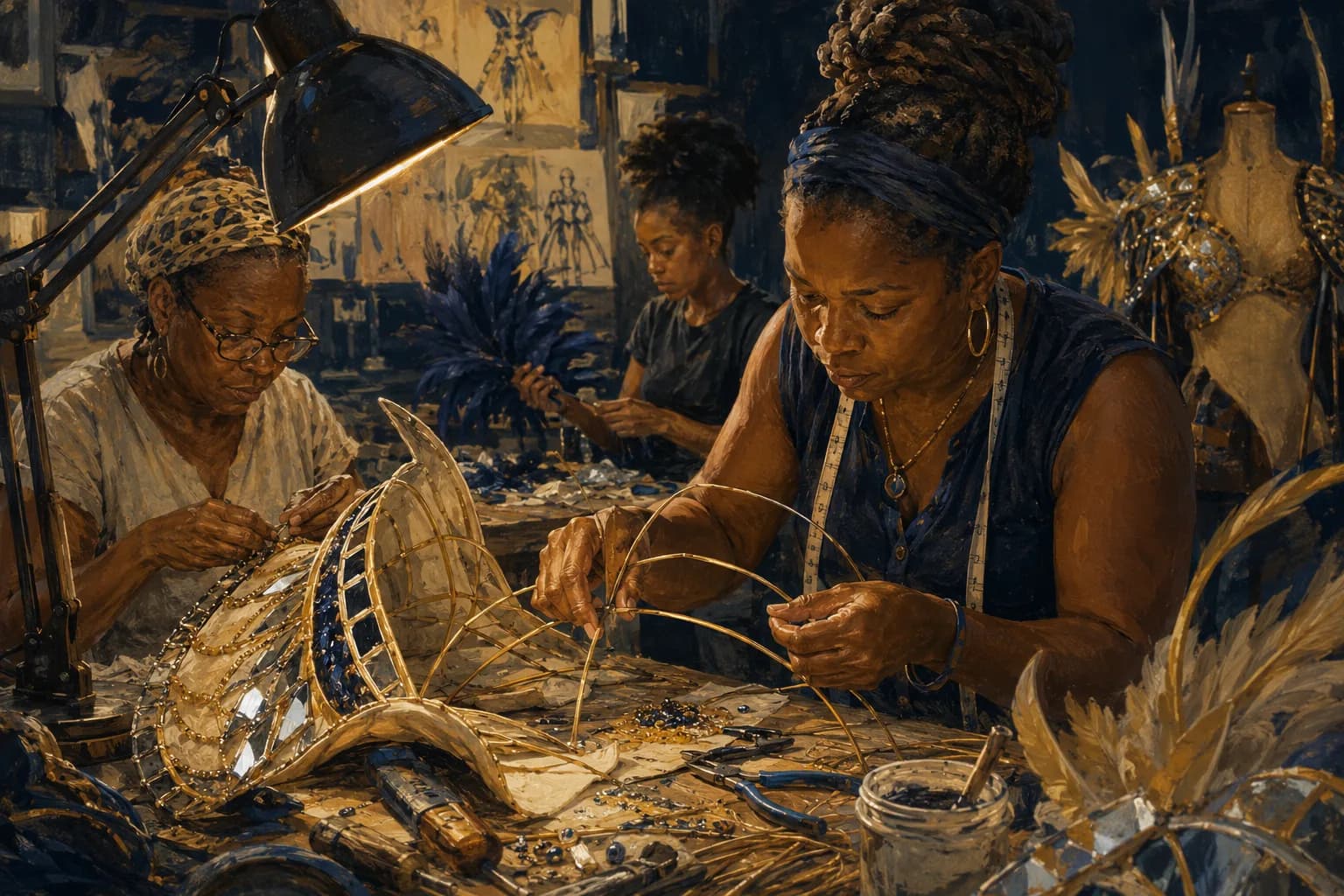
Bodies press close, flags in the air, glitter catching the early light. When the chorus drops, the whole road jumps at once. Nobody stands still. Standing still is not offered as an option.

Soca does not ask. It commands.

That is the first thing to understand about this music: it works on the body before it reaches the brain. Faster than the calypso it came from, it can move anywhere from a rolling 110 beats per minute to more than 160 when power soca takes over. The groove is built on relentless percussion: kicks doubling up, cowbell slicing through, iron ringing, bass thumping low and insistent.

Horns punch where horns once ruled. Synths shimmer and stab where the budget replaced the brass section. Your knees bend before you decide anything. Your waist starts to wine. Your hands find the air.

It is music you dance to with your whole self, built for the road and the fete, with no room left for overthinking.

Soca was invented, more or less deliberately, in the early 1970s because calypso was losing the youth. Reggae was pouring in from Jamaica, funk and soul from the United States, and the old kaiso, for all its wit, was no longer holding the dance floor.

Garfield Blackman, performing as Lord Shorty and later Ras Shorty I, was central to that transformation, although genres are built by scenes as well as celebrated innovators. A calypsonian who had been producing hits since "Cloak and Dagger" in the mid-1960s, Shorty began folding Indo-Trinidadian rhythms into calypso's African backbone. He drew on the dholak and the tassa pulse of communities whose ancestors had arrived under indenture beginning in 1845.

"Indrani" tested the waters in the early 1970s. By 1974 and 1975, "Endless Vibrations" and "Sweet Music" had crystallised the sound.

Shorty used the spelling "sokah" while explaining his effort to bring Indian rhythmic ideas into dialogue with calypso. Accounts of how "soca" became the standard spelling vary and should be treated as oral history rather than settled etymology.

The genre has been slightly misspelled ever since, which feels appropriate for music this unbothered.

There is another, less-celebrated name that belongs in the story: Robin Imamshah.

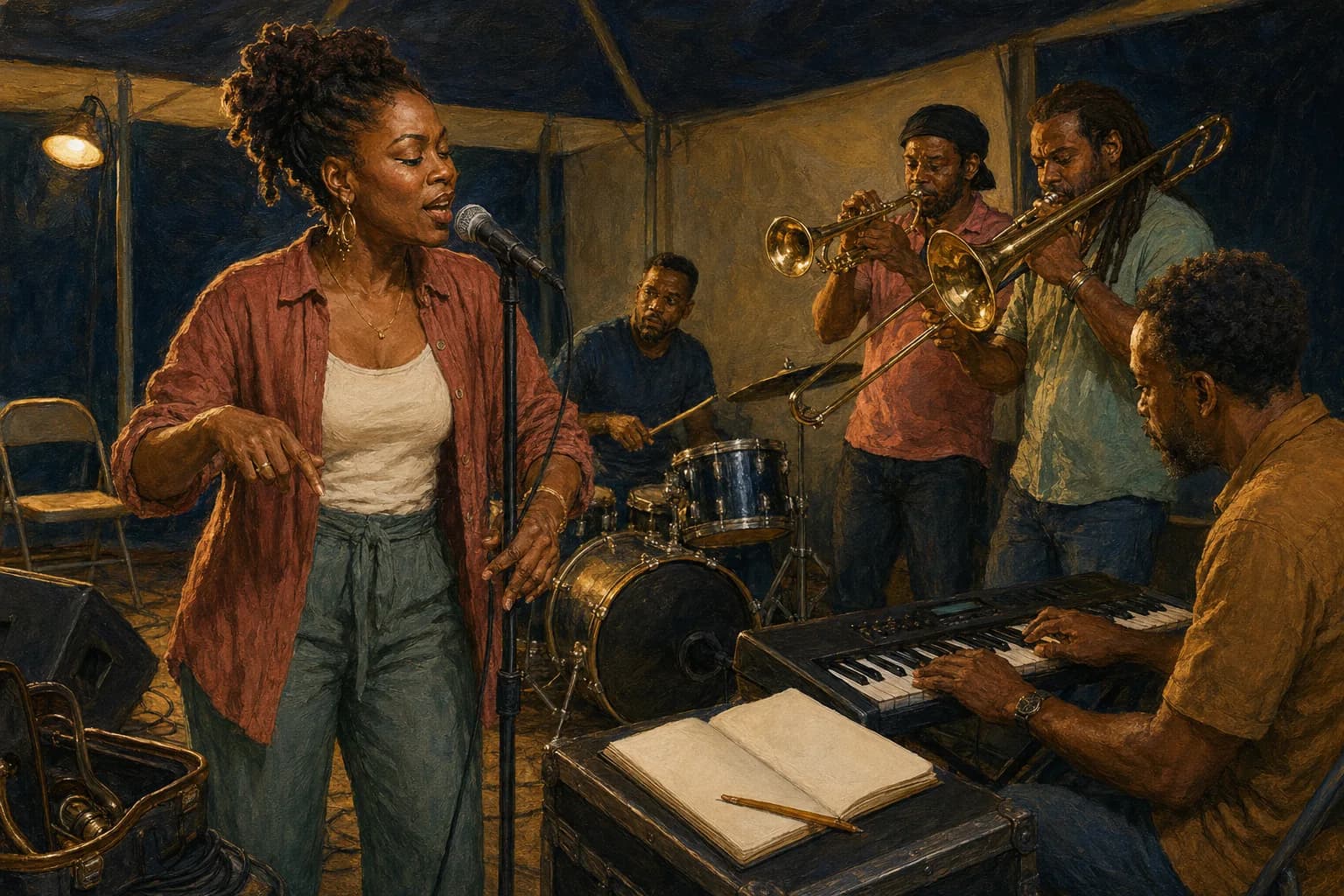
Beginning in 1970, a sound project at KH Studios in Sea Lots set out to solve a technical problem: how to capture calypso's layered, complex rhythms in the new multitrack era. Imamshah led the project on guitar, working with drummers such as Errol Wise and a small group of session players.

The recordings produced in that room, including Shorty's early experiments, helped the new sound travel beyond the calypso tents and onto vinyl. Genre histories often elevate one innovator while obscuring the engineers, musicians and studios that made the sound reproducible. Soca is no exception.

The invention was also political, whether or not anyone said so from the stage.

Trinidad had been independent since 1962, but the seams between Afro- and Indo-Trinidadian life remained visible. Shorty's fusion placed African kaiso and Indian rhythm within the same bar of music: a young nation's argument with itself, resolved at 130 beats per minute.

Calypso had mocked the powerful and chronicled the streets. Soca kept the wit but rebuilt the music for dancing, for the kind of unity that cannot be legislated but can apparently be achieved in a fete by two in the morning.

Church elders clutched their pearls at the bacchanal. The road answered louder.

From there, the lineage ran wild.

Lord Kitchener, calypso royalty with ten Road March titles, crossed over decisively with "Sugar Bum Bum" in 1978. Suddenly, the doubters had little left to say. Arrow came out of Montserrat in the 1980s and carried the sound across the region, then around the world. Machel Montano grew up within the genre and turned it into stadium music.

The mutations followed necessity, as they always do. Groovy soca slowed the pace for smoother wining. Power soca raised the tempo for pure road energy. Chutney soca deepened the Indian thread. Ragga soca pulled in dancehall. Bouyon soca borrowed Dominica's engine. Now afrosoca trades ideas back and forth with West African pop as though the Atlantic were a group chat.

Abroad, soca lives loudest wherever the diaspora settled.

At Notting Hill Carnival, soca helps connect the London road to Trinidad and the wider eastern Caribbean each August bank holiday, with sound systems running new releases against the classics. Toronto's Toronto's Caribbean Carnival draws large crowds, the beat linking Scarborough kitchens to islands their parents left decades ago.

In Brooklyn on Labor Day, soca drives the West Indian Day Parade along Eastern Parkway. Every island's flag rises into the air, while the music insists on joy in a city that does not hand it out freely.

The stages became larger and the winters became longer, but the core never moved: bodies moving together.

Five songs can carry you through the whole arc.

Start with Lord Shorty's "Endless Vibrations," the original pulse, still an open invitation. Then move to Kitchener's "Sugar Bum Bum," the crossover that made believers of the sceptics.

For modern power soca at full roar, play Machel Montano, Skinny Fabulous, and Bunji Garlin's "Famalay," a Road March winner that places three generations of energy on one riddim and will test whatever speakers you own.

For the groovy side, there is Patrice Roberts' "Mind My Business," all waist and no hurry. Close with Bunji Garlin's "Differentology," the song that reminded the world that this music still had new places to go.

Soca never forgot its job: to turn survival into celebration, division into one road, and memory into motion.

Somewhere in the fete right now, a grandmother's stories and next year's possibilities are sharing the same beat.

And nobody, nobody, is standing still.

Editorial note

LuxTuris original

This is evergreen editorial context from the LuxTuris desk, not live breaking news or invented social proof.

The Pulse: the Caribbean, in your inbox.

A free letter from the LuxTuris desk. New essays, island stories, and the best of the Journal.

Keep reading

Related stories