Planning a Diaspora Homecoming with Care
A family return can hold visits, records and rest. Agree on priorities and costs without assigning everyone the same emotional script.
Kellan Vail · May 7, 2026
Updated September 24, 2026
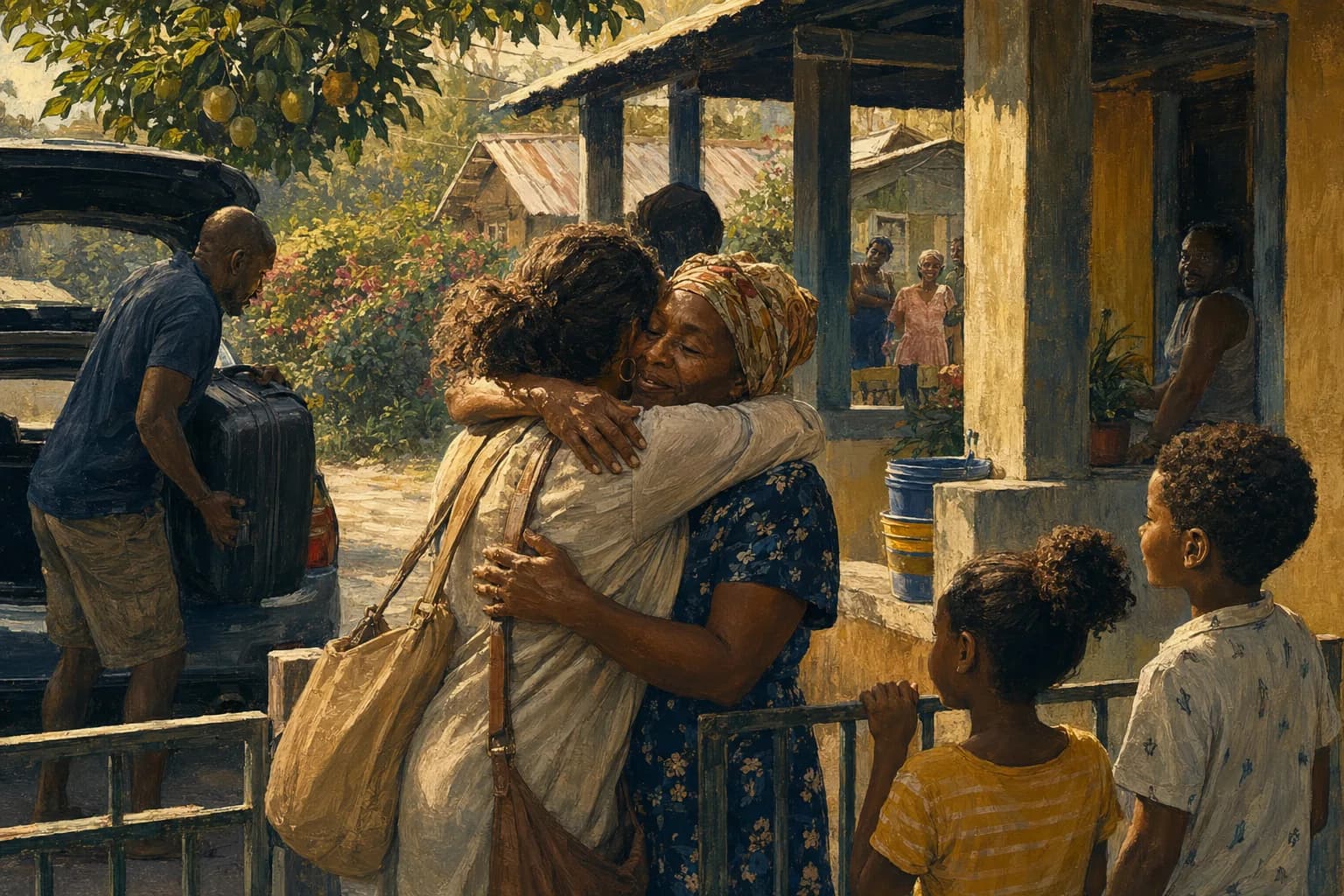
A return to a family's country of origin may include reunion, curiosity, grief or a quiet vacation. It may include several of these at once. No single itinerary can tell a diaspora family which emotion is correct or how long it will take to feel at home. The better plan begins with a conversation among the people actually traveling and, when appropriate, those who will host them.
Ask what matters to each person
Before booking every day, ask whom you hope to see, which places matter and how much unstructured time everyone needs. An elder may want an afternoon together, while a child may want time with cousins. Someone else may not wish to visit a grave or an old family house. Treat those as preferences to discuss, not rites of passage that prove belonging.
Family photographs and names can help start a conversation. The US National Archives recommends beginning family research with information already held at home and with relatives. Ask before recording a story, sharing a photograph or posting the location of a home or grave. A person can be part of your history and still have a right to privacy.
Set expectations in advance
Agree on accommodation, transport and time with hosts before arrival. Staying nearby rather than inside a relative's home can be a practical choice; staying with family can also be welcome. Ask what works for the host rather than treating either arrangement as the proper sign of affection.
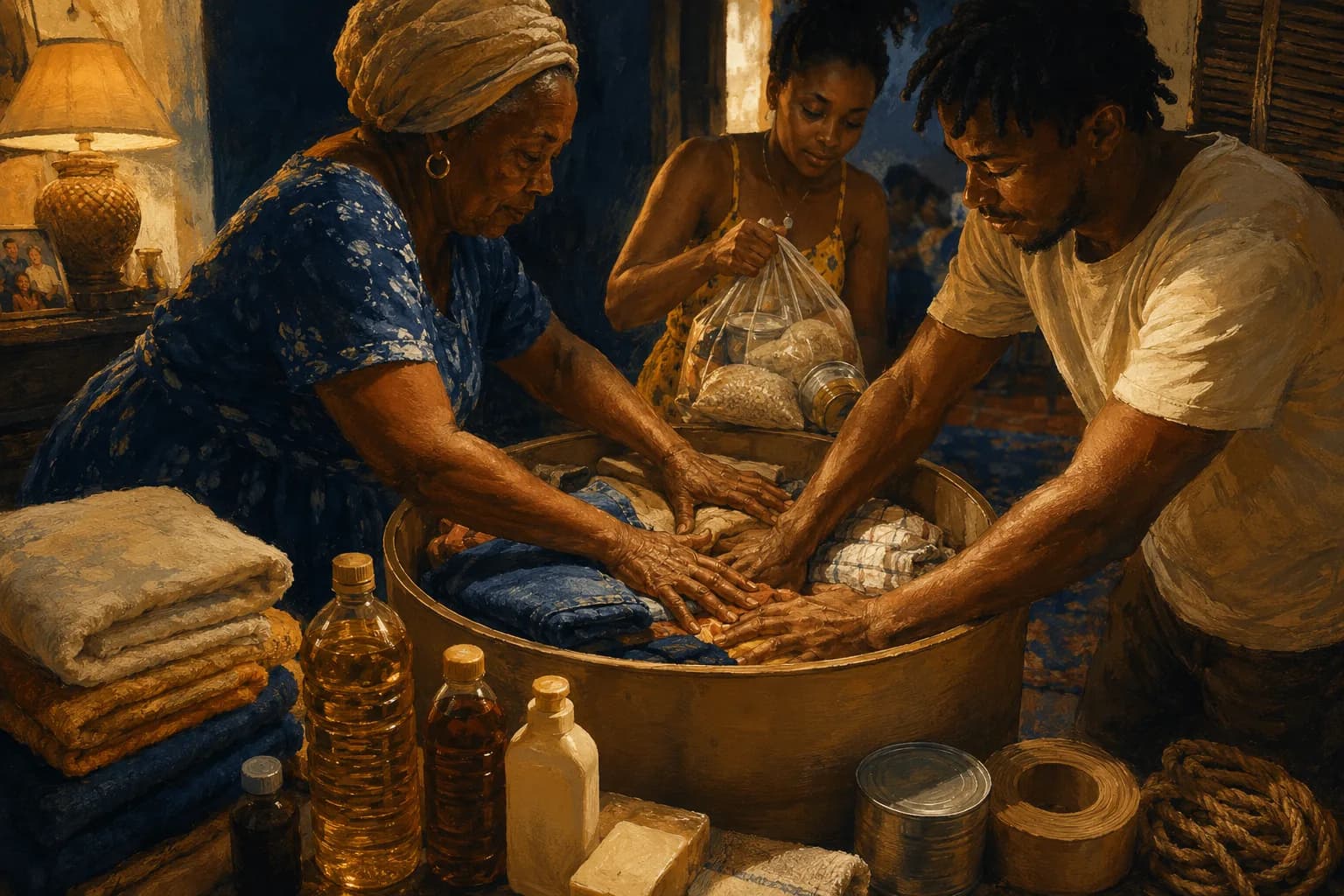
Discuss gifts, meals and household contributions openly. Expectations vary across families, and nobody should infer a universal amount or duty from a travel story. If several households hope to see you, make a loose schedule together and leave room for changes. A shorter, manageable visit may serve the family better than an overloaded two-week plan.
Check the ordinary travel details
For US travelers, the State Department's international travel checklist covers passport validity, destination entry rules and current advisories. Other travelers should consult the authorities for their own citizenship and destination. Children may need additional documents. If carrying medication for yourself, check destination restrictions and the CDC's travel guidance. Do not pack someone else's prescription as an informal favor without checking the law.
Transport to a family district may require a separate driver, ferry or overnight stop. Ask someone familiar with the current route, and allow time after arrival before committing to a full round of visits. Save addresses, contact numbers and a backup plan if a flight or ride changes.
Leave room for the trip to be itself
A parent's hometown may have changed. A cousin may remember a story differently. A child might connect more through a meal or a game than an explanation of a family tree. None of these outcomes makes the trip a failure. Listening to the people living there matters more than matching an inherited picture to the landscape.
A return can add names, places and conversations to a family's understanding. It cannot settle identity on demand. Make the practical arrangements, ask for consent, and leave everyone room to find their own relationship with the visit.
Sources and further reading
See an error? Send a correction.