What a Nickname Can Remember
A familiar name can hold a story, but its meaning belongs to the person and the people who know it.
Kellan Vail · May 10, 2026
Updated September 24, 2026
Sometimes a person is known by a name that a government record cannot explain. The reason may be ordinary, funny, private, or no longer known. It is tempting to build a grand theory from that small fact. The better question is whose story the name carries and whether they want to tell it.
Trinidad and Tobago's National Library lists calypsonians by their stage names and given names. Those records show one public form of naming: performers have built lasting artistic identities through names familiar to audiences. A stage name chosen for public performance is different from a family nickname bestowed by others. Neither is a reliable key to a person's ancestry or character.
A family may remember who first used a name, when it changed, or why different relatives use different versions. Another family may have no answer. A nickname can be affectionate or unwelcome, and the person carrying it may prefer another name. It is their preference that should guide how a story is told.
The University of the West Indies recognizes Erna Brodber's work in advancing oral tradition as a source for Caribbean research. Oral accounts can recover details missing from a written record, but a recollection should still be attributed. Two people may remember a name's origin differently. That is a reason to preserve both accounts with their speakers, not to turn one into an unqualified regional fact.
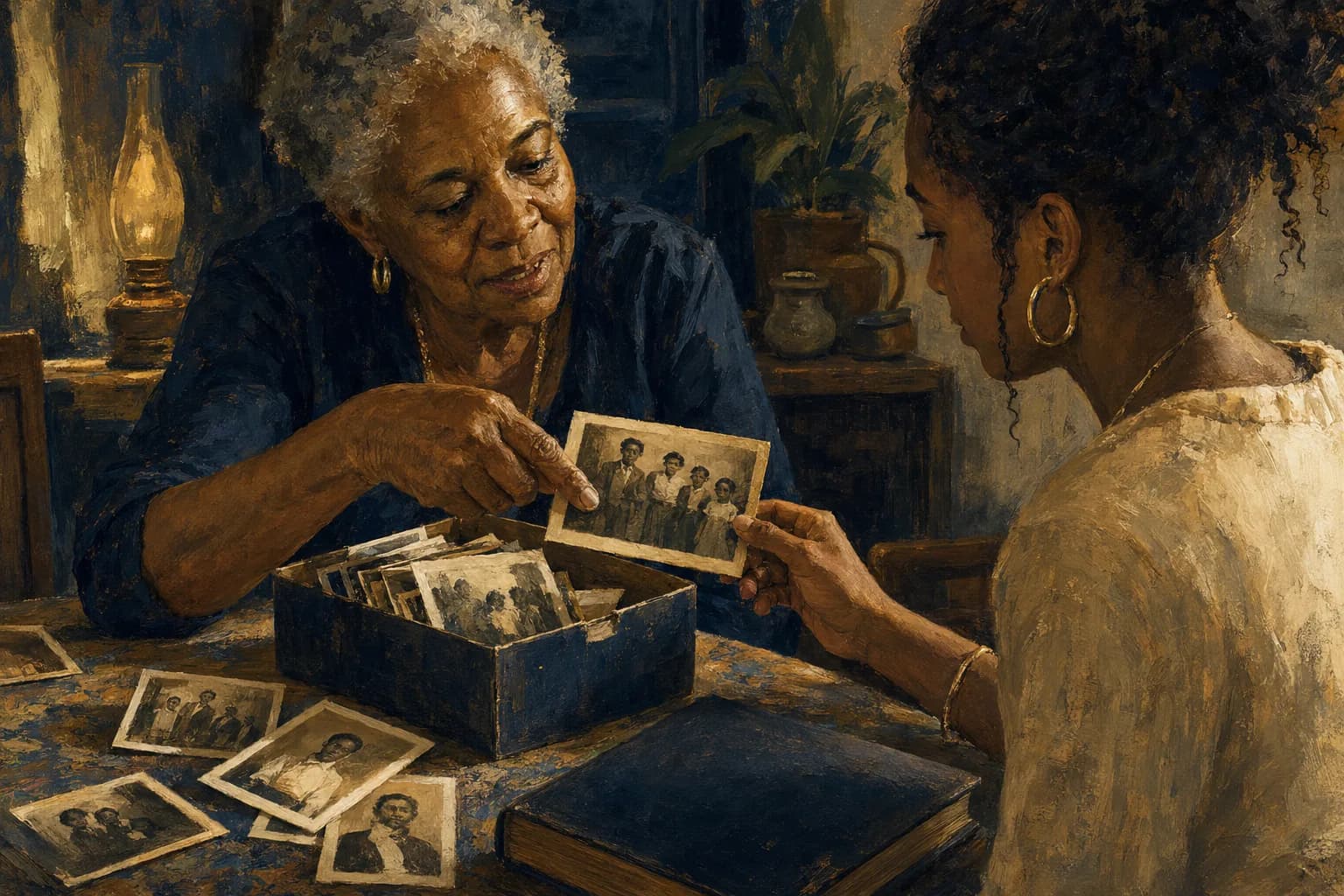
The Library of Congress offers prompts for recording family stories, including asking how someone received a name. A useful note can include the name as the speaker uses it, the speaker's relationship to the person, an approximate date, and whether the account may be shared. Recording a private nickname does not grant permission to publish it.
No one needs a taxonomy of body names, trades, and migration to make a nickname meaningful. Begin with a real person who wants to speak. Let the story remain as specific, uncertain, or quiet as they choose.
Sources and further reading
See an error? Send a correction.