The Work Behind Caribbean Vendor Businesses
Market traders build businesses through sourcing, pricing, customer relationships, and daily decisions about risk.
Kellan Vail · May 29, 2026
Updated September 24, 2026
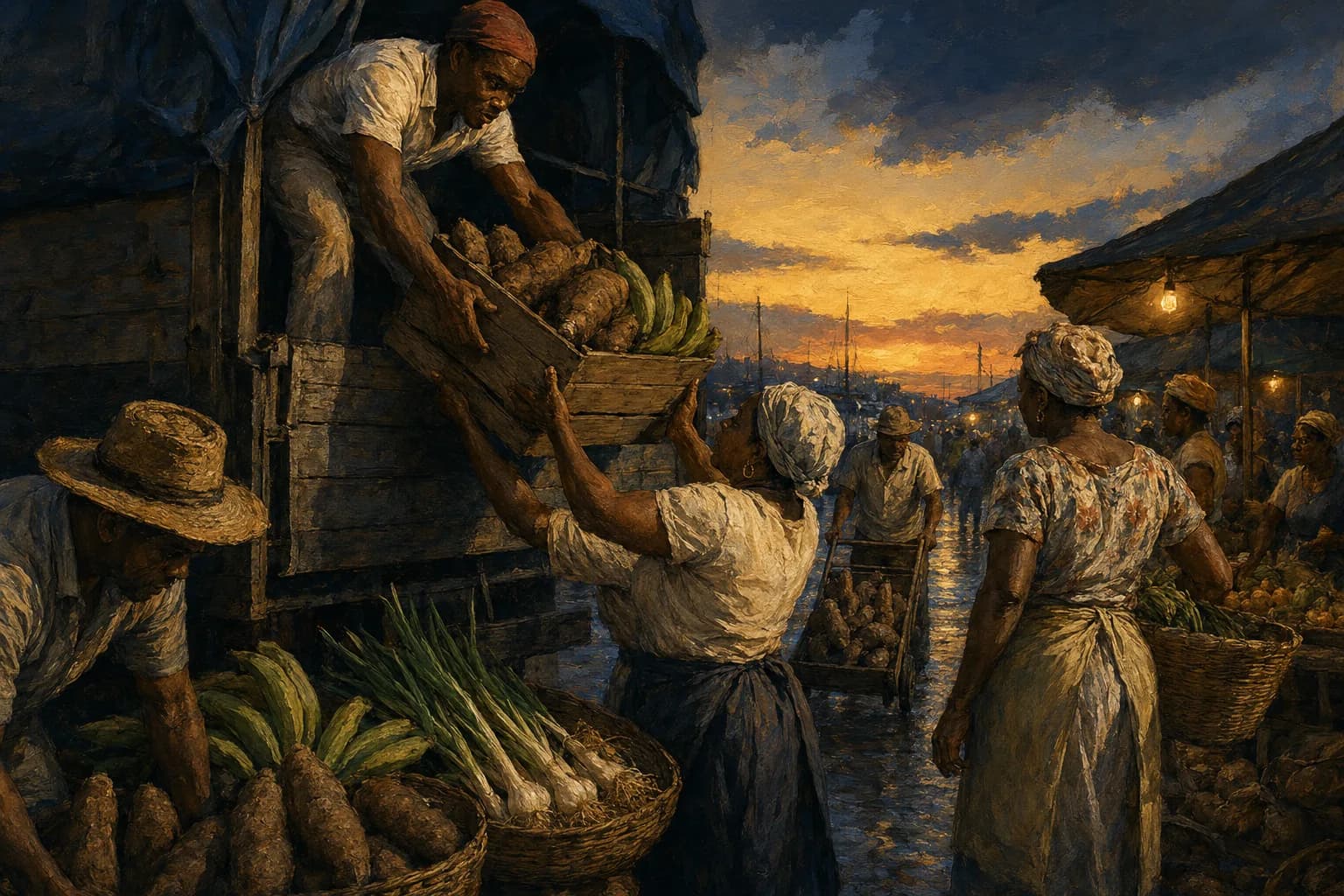
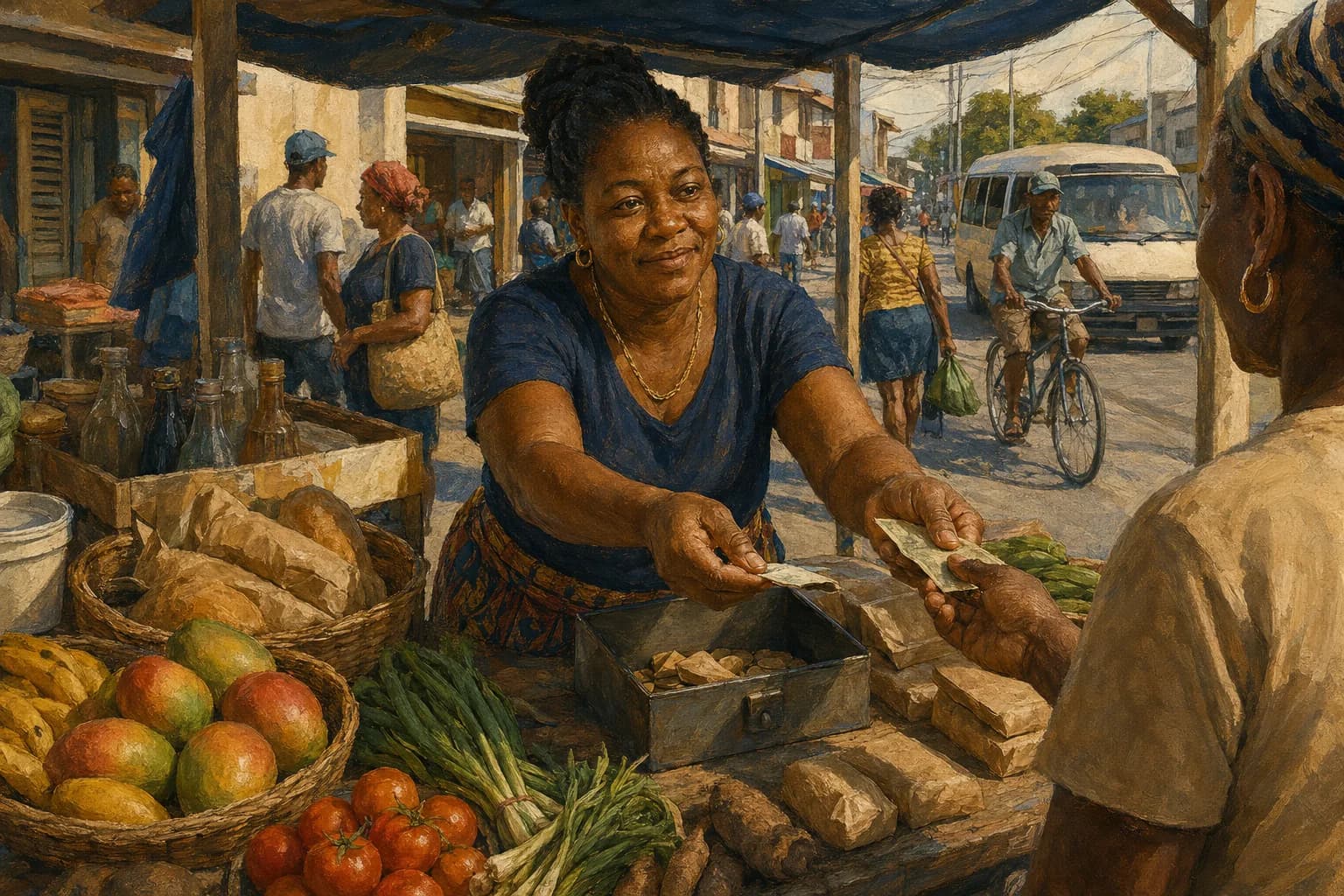
At a market stall, the work visible to a customer may last only a minute. The vendor's work began earlier: buying stock, carrying it, setting a price, judging demand, and deciding what can wait until tomorrow. These are business decisions even when the business does not resemble a storefront.
Jamaica's higgler tradition offers one documented example of the depth behind market trade. Research on Jamaican traders describes networks of sourcing, movement, and selling that connect local markets to wider routes of exchange. It would be a mistake to turn that history into a single origin story for every Caribbean vendor. Islands, goods, licensing systems, and individual circumstances vary.
Words matter here. The International Labour Organization uses informal employment for work that is not registered, regulated, or protected under applicable frameworks. Calling work informal does not mean the worker lacks skill or that the enterprise has no organization. It also does not mean all vendors have the same legal status. A licensed stallholder, an unregistered seller, and an employee without employment protection may face different obligations and risks.
Trust can help a repeat customer return, but it cannot replace a reliable account of costs and payments. A vendor who chooses to track daily sales, stock purchases, transport expenses, and credit extended has more information for setting prices and deciding when to reorder. A notebook may suffice; a digital ledger may suit someone else. These are practical suggestions, not a claim that every vendor currently operates without records.
Access to money is more complex than a motivational story about hustle. The Caribbean Development Bank has studied barriers and opportunities in financing women-led micro, small, and medium businesses. Borrowing terms, registration requirements, cash flow, and the available support will differ by place and lender. A rotating savings arrangement is one possible practice in some communities, not a substitute for assessing obligations or a universal feature of market life.
The remarkable thing about vending is the sustained judgment it takes to keep trading under changing conditions. We can admire that skill while still asking whether workers have protection, whether credit is affordable, and whether public policy makes it easier for a small enterprise to survive.
Sources and further reading
See an error? Send a correction.