IslandsThe Convergence Engine: Trinidad in Motion
Indenture, oil, Carnival, and crisis all crashed into one island and never stopped moving — this is how Trinidad turned collision into its national character.
LuxTuris Editorial Desk · July 4, 2026
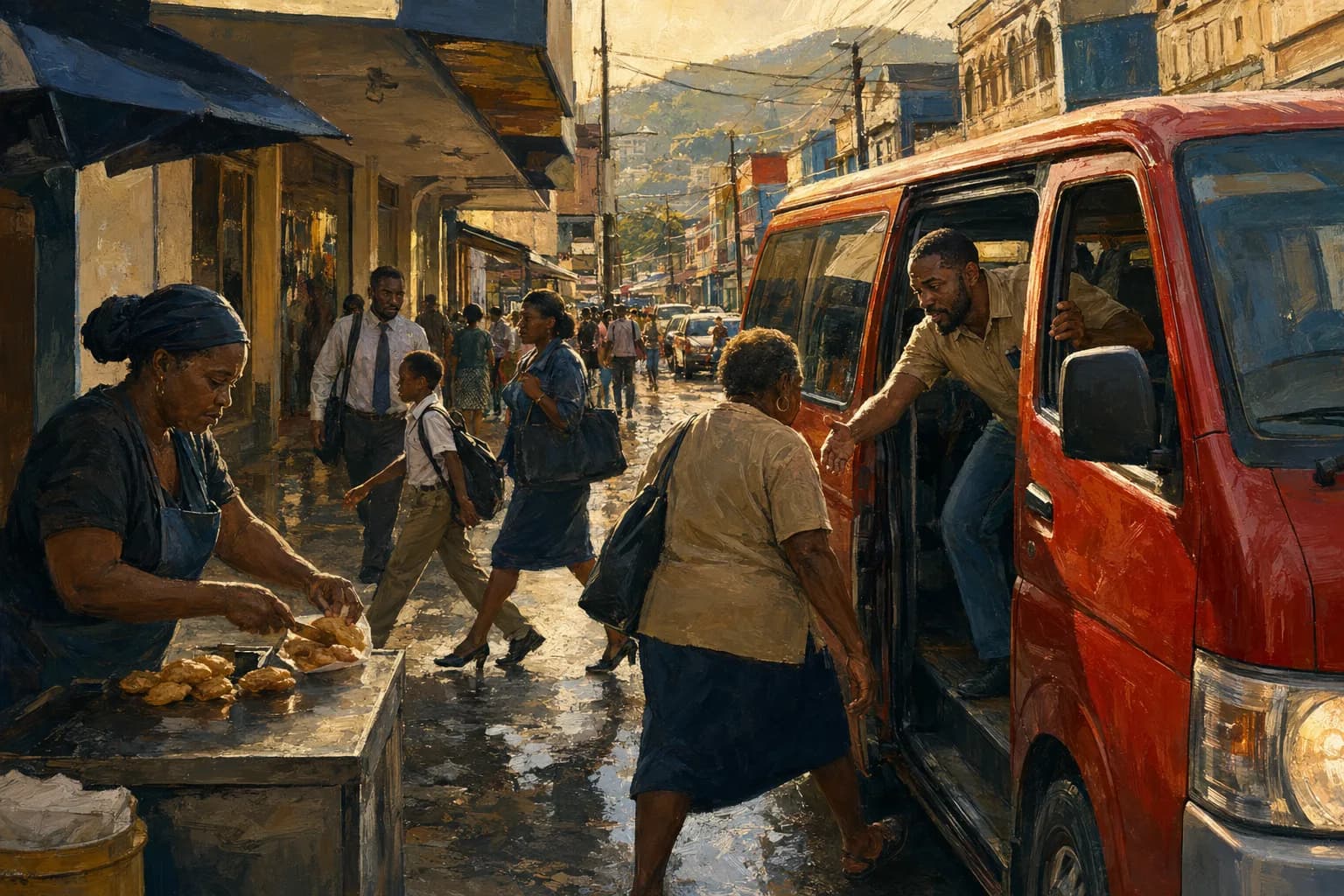
Arrival at Piarco offers fragments rather than a national summary: humid air beyond the terminal, overlapping conversations, traffic gathering outside. Trini English bends around Hindi inflections, the ghost of French patois, African cadence, and Spanish spilling over from the mainland.
A laugh rises above the crowd. A horn sounds outside arrivals.
By the time you reach the highway, the island has declared itself: not paradise, not problem, but the place where everything crashed together and kept moving anyway.
Trinidad can be read as a Caribbean convergence engine, shaped by African, Indian, European, Indigenous, Chinese, Syrian-Lebanese, Venezuelan and other presences that have mixed in some spaces while remaining distinct in others.
How did it become that way?
Start with indenture. Emancipation in 1838 left the plantations desperate for labour, and from 1845 the ships came: nearly 144,000 Indians over seven decades, arriving in a society Africans were already remaking through resistance and creole invention.
The estates forced proximity. The yards and barracks turned that proximity into daily exchange. Rhythms traded. Spices were shared. Families built new practices through contact without necessarily surrendering the traditions, religions and identities they carried.
Then came oil.
Commercial discovery in the early 1900s, followed by the boom of the 1970s, made Trinidad an energy state. Money flooded in, building Port of Spain's skyline and a middle class, while also building the inequality and dependence that continue to shape the island's politics and its exits.
Petrodollars funded the fetes and the infrastructure while pulling people away from the land, into the cities, and abroad.
Running through it all was Carnival, both release valve and laboratory.
Banned and reborn across centuries, it absorbed everything the island threw at it: Canboulay from plantation resistance, masquerade from French planters, and tassa from the indenture ships. Energy wealth, post-emancipation society, indenture and continuing migration have all shaped modern Trinidad, but Carnival cannot be reduced to a neat equation among them.
The island's signatures come from that same mixing, and none of them exists in purity.
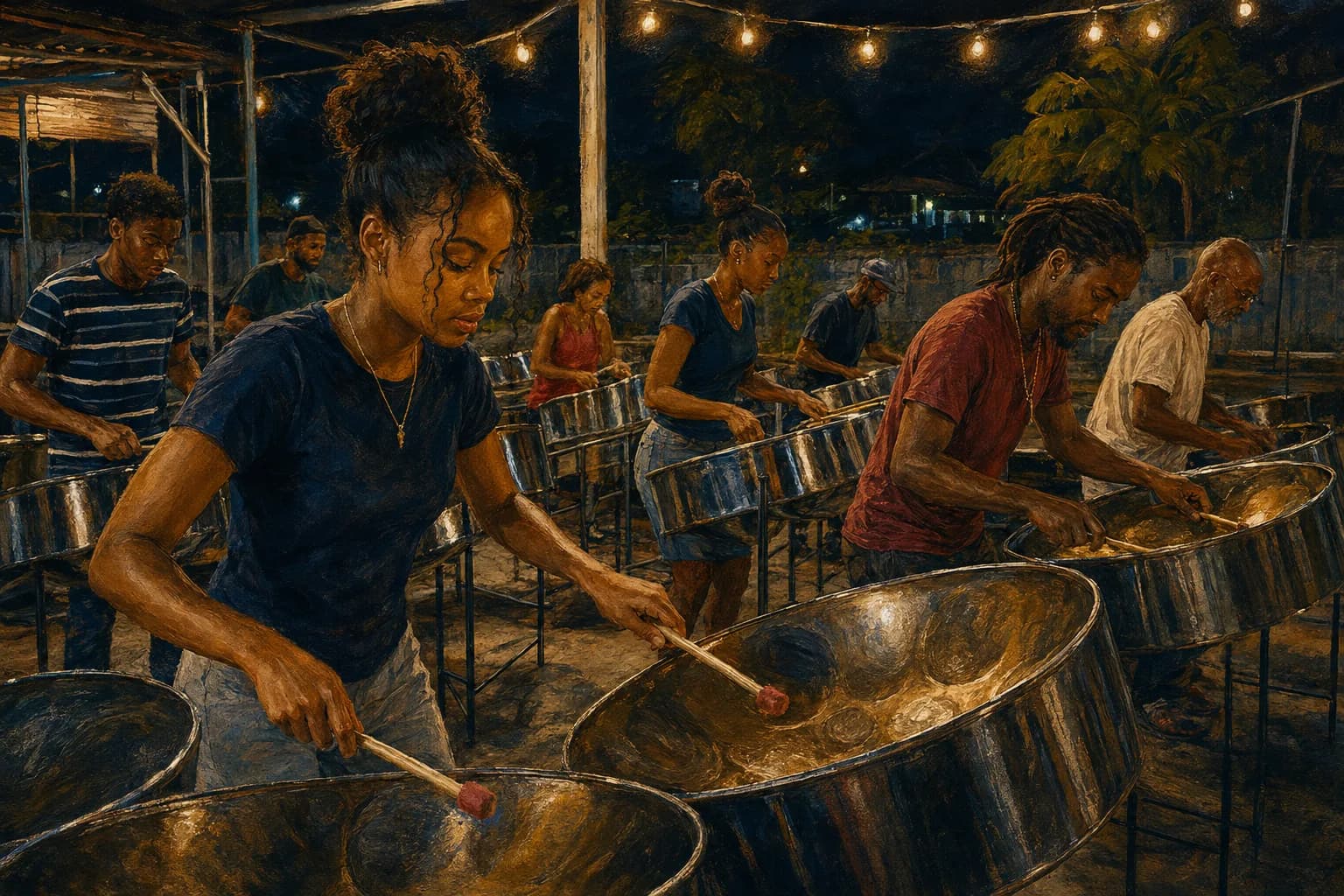
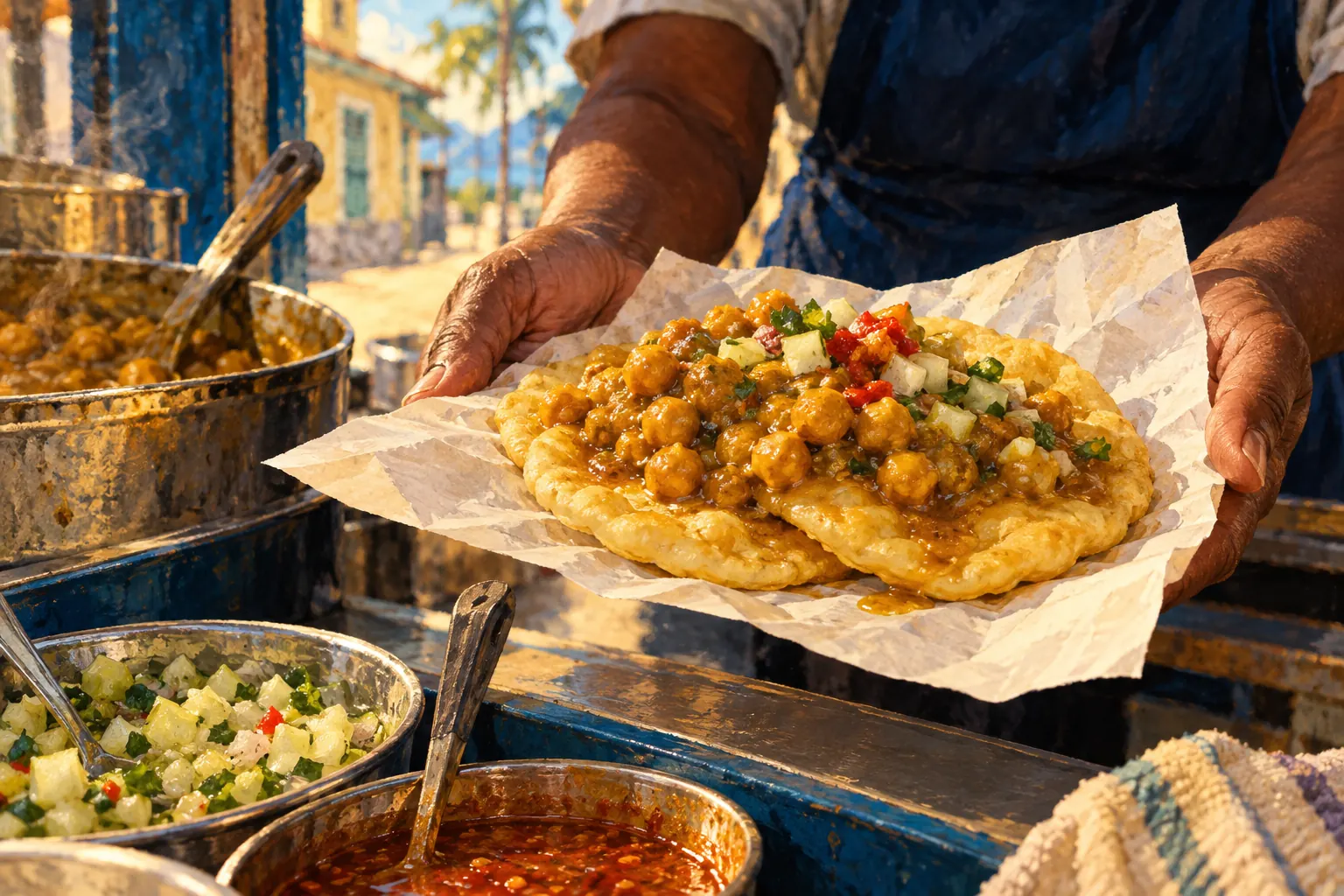
Doubles emerged from Indo-Trinidadian street vending in the 1930s and became one of the country's most widely loved foods. Soca emerged when Lord Shorty fused calypso's commentary with Indo-Trinidadian rhythm in the 1970s, turning social observation into Road March fuel that now carries African, Indian, and global beats without apology.
Hosay processions mourn Husayn with tadjahs built by Muslim and Hindu hands together, the tassa answered by the whole neighbourhood. To an outsider, the colour, music and movement can be mistaken for celebration. Practitioners understand the observance through mourning, devotion, memory and community, meanings that should be explained in their voices rather than imposed from outside.
The traditions argue with one another in the same breath, then lime together afterwards.
Outsiders often paint Trinidad as dangerous chaos, with crime headlines and Carnival excess suggesting a place barely holding together. The honest picture is harder and more interesting.
The crisis is real. Gang and gun violence, fed by trafficking geography and inequality, pushed murder rates to record levels, and the government has used states of emergency in response to violent crime. Any account of their duration, powers and effects must be dated and verified immediately before publication: extraordinary powers, soldiers working alongside police, and a debate over civil liberties running straight through Parliament.
Homicides later declined, but attributing that change solely to emergency powers would require evidence beyond temporal association. Whether the improvement will endure remains an open question.
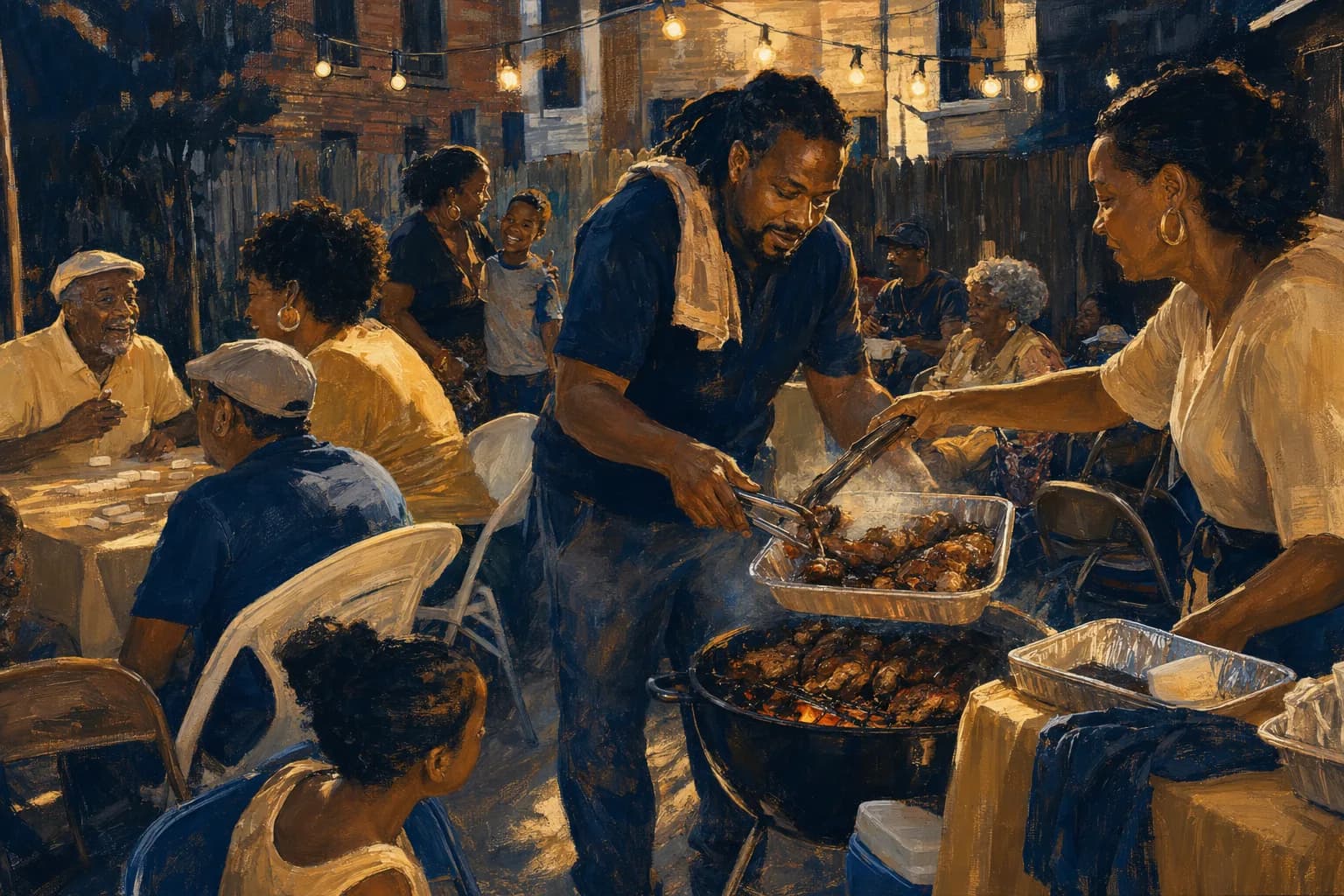
Still, this is the part the headlines cannot hold: daily life for most people unfolds in neighbourhoods where greetings are called across the road, children are watched by everyone, and communities organise faster than the authorities they are waiting on.
The same convergence that produces tension also produces resilience: multi-ethnic alliances in business, culture, and every disaster recovery the island has ever staged.
Trinidadian cultural life has persisted through crisis, but celebration should not be used as shorthand for universal resilience or as evidence that harm has been resolved.
The present sits inside that tension.
Energy still dominates. Projects such as Manatee are intended to add future supply, with first production officially projected for 2027, while the existing sector faces production constraints, and the push towards tourism, agriculture, and the creative sectors is no longer optional.
Growth remains modest. Debt worries the planners. The quiet drain continues: nurses, teachers, and engineers leaving for better pay in North America and Britain, even as Venezuelan arrivals since 2015 fill gaps and strain services at the same time.
Who comes back?
Often, it is the diaspora, arriving with savings, skills, or plain longing. They build guesthouses, open restaurants, and bring ideas home to family land.
Meanwhile, a younger generation negotiates identity online, naming things about race, gender, and the environment that older convergences lived but never said aloud.
Arrivals and exits, always. The engine keeps turning.
Nowhere is that clearer than in the diaspora itself.
Flatbush and Crown Heights in Brooklyn, Scarborough in Toronto, and west London around Notting Hill have become pocket Trinbagos, running bakeries that sell doubles and roti at six in the morning for shift workers and staging parades that outdraw some events back home.
On Labor Day, the West Indian Day Parade turns Eastern Parkway into a temporary Savannah. Caribana carries the Road March through Canadian winters.
Barrels go home. Remittances go home. Carnival costumes are designed in New York and worn in Port of Spain.
The mix keeps mixing: Trini DJs fuse soca with Afrobeats in London clubs, chefs rework pelau for new palates, and community organisations lobby with the particular multi-ethnic savvy that only the island could have bred.
What the diaspora built is not a copy. It is an extension, proof that the convergence travels.
Trinidad remains unmistakably itself by refusing to resolve.
Blindfolded, you would still know it: the layered sound of a fete where tassa rolls beneath soca brass, the argument at the doubles stand about whose version is right, and the way strangers become family before the night ends.
The collisions that could have torn the place apart became its engine instead: messy, loud, inventive, alive.
For the one who left and the one who never did, the message is the same: this is us, still becoming, still refusing to choose.
Editorial note
LuxTuris original
This is evergreen editorial context from the LuxTuris desk, not live breaking news or invented social proof.