LuxTuris
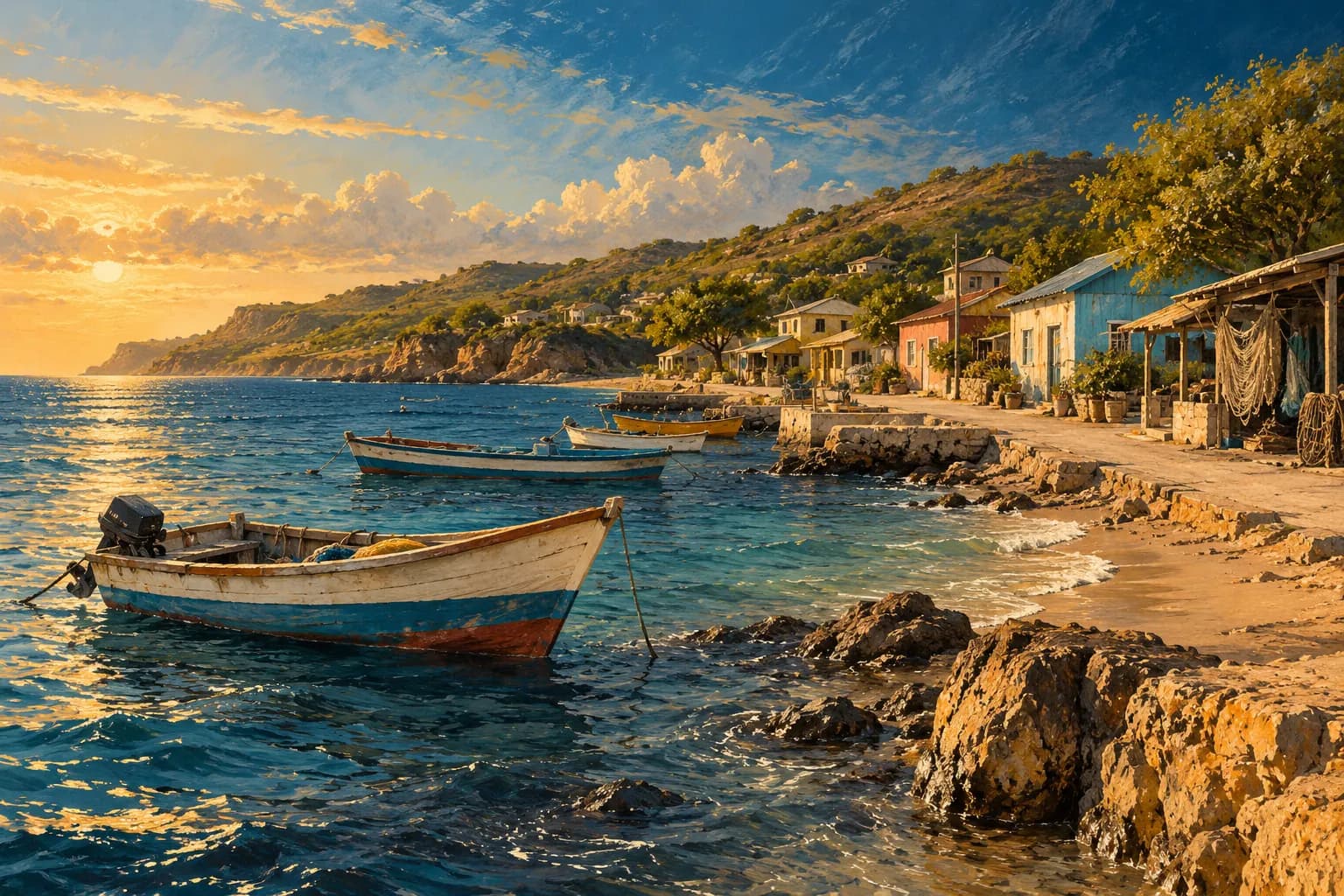
Premium photorealistic Treasure Beach Jamaica editorial scene with fishing boats and warm coastal light
Travel
TravelJamaica5 min read

Treasure Beach After the Storm: Community on Jamaica's South Coast

St. Elizabeth's fishing villages rebuilt themselves after Hurricane Melissa — and a visit here now funds that recovery rather than just watching it.

LuxTuris Editorial Desk · July 13, 2026

treasure beachjamaicatravelcommunity

The road tells you first. Coming down out of the Santa Cruz Mountains, the green of upland Jamaica gives way to something you did not expect from this island: red dirt, cactus, thorn scrub, the light gone hard and dry.

St. Elizabeth is the driest parish in Jamaica and also, by general agreement, its breadbasket. Farmers here coax scallion, melon, and tomato out of ground that looks like it should refuse, mulching with dry guinea grass in a technique passed down for generations.

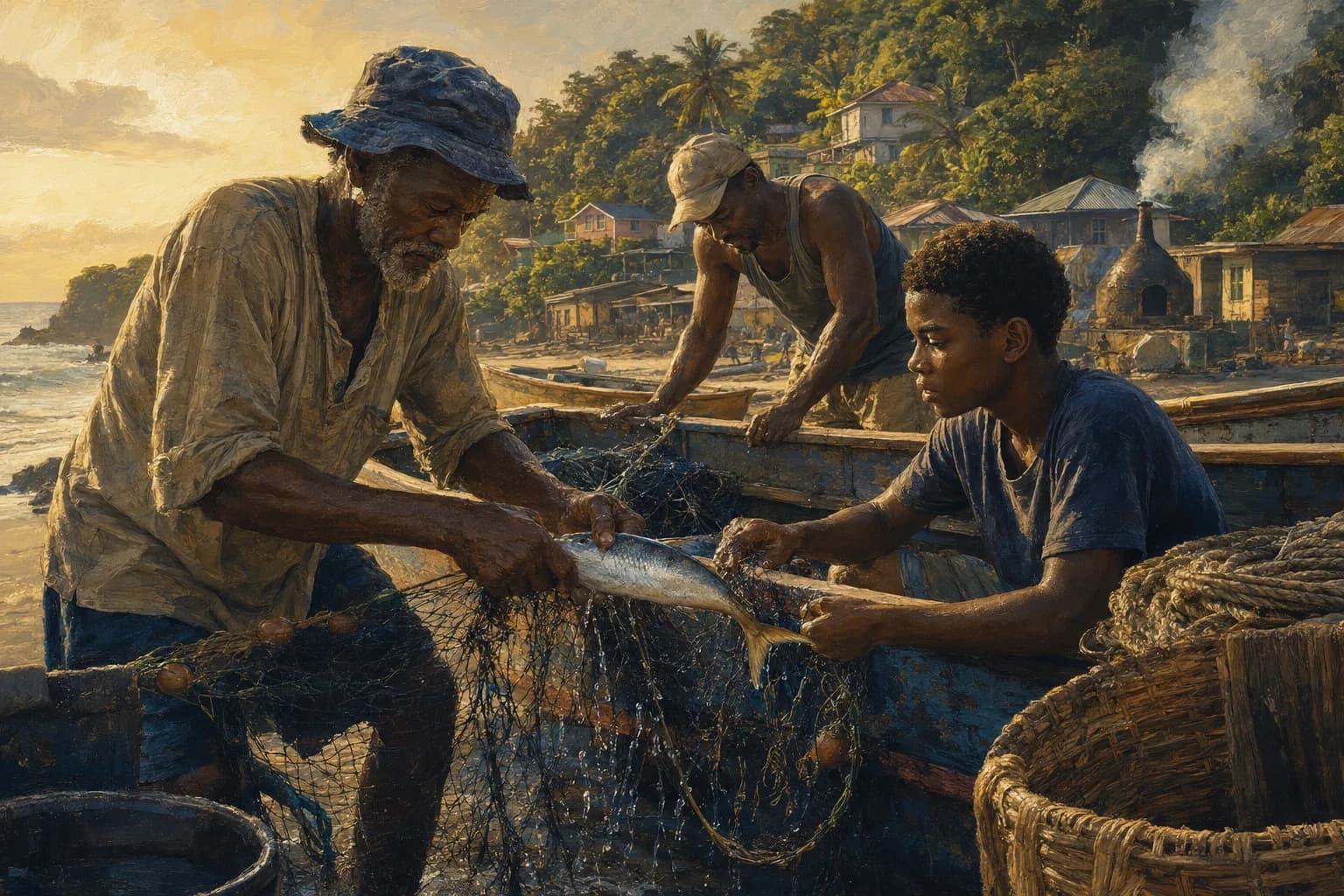
Then the sea appears, and at the bottom of the hill four fishing villages run into each other along a coast of dark sand and open pirogues: Billy's Bay, Frenchman's Bay, Calabash Bay, and Great Bay.

Treasure Beach.

No resort towers, no hair-braiders working a cruise crowd, no crowd at all. A man mending net on an upturned boat lifts two fingers off the twine as you pass. That is the welcome, and it is the real one.

Say the honest thing first.

In October 2025, Hurricane Melissa, the strongest storm ever recorded to hit Jamaica, came ashore in this parish, and St. Elizabeth took some of the worst of it. Roofs went, boats went, and the dunes that shield the coast were shoved around like furniture.

What happened next is the reason to come.

Fishermen, shopkeepers, and guesthouse owners rebuilt the district piece by piece through the winter. Recovery has proceeded unevenly across businesses and households. Conditions should be confirmed through current local reporting before publication or travel. It was greener, patched, and upgraded in the rebuilding, with some road scars still showing and nobody pretending otherwise.

A visitor in Treasure Beach this year is not gawking at recovery. A visitor this year is funding it.

The place runs on two harvests, sea and land, and your day should follow both.

Be on Great Bay before dawn. Genuinely before, when the sky is still deciding. Watch the fishermen push off. Treasure Beach boatmen work some of the longest runs in Jamaica, out to the Pedro Banks and back, and the predawn launch is the daily event every tourist sleeps through and no local misses.

By mid-morning, you want breakfast, and the new farmers' market that grew out of the rebuilding is the move if it is running. St. Elizabeth produce is sold by the people who grew it.

Otherwise, Jack Sprat, the fish-and-pizza institution beside Jakes, does the honors under sea-almond trees. A plate of fried fish with bammy there costs a fraction of what the north coast charges for less.

The afternoon belongs to the water and to the strangest bar in the Caribbean.

Arrange it the local way. Hire one of the village captains. Any guesthouse will connect you, and the fee goes into the boat you are sitting in. Take the run out to Floyd's Pelican Bar, a driftwood platform on stilts standing on a sandbar nearly a mile offshore.

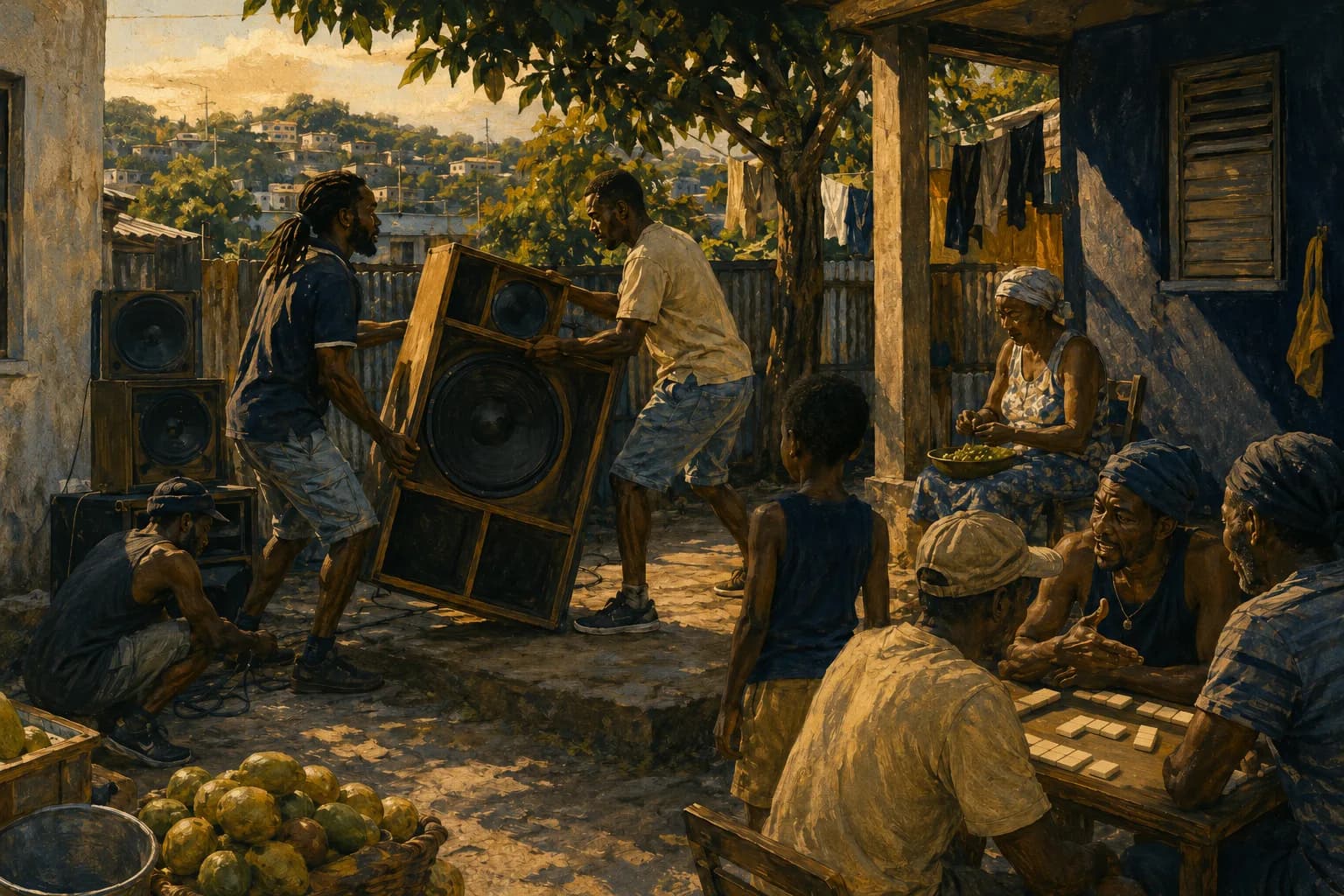
It is exactly what it sounds like and nothing more: Red Stripe, fried fish if you radioed ahead, a dominoes game in progress, pelicans supervising from the pilings, and thigh-deep turquoise water in every direction.

It has been blown down by storms before and rebuilt every time, which makes it less a bar than a philosophy.

Back on land, if your legs want work, Lovers' Leap is twenty minutes east. It is a sheer drop of some seventeen hundred feet where the Santa Cruz range simply ends into the sea, with a tragic Taíno-era-to-plantation legend attached and a view that resets your eyes.

Evening comes back to Calabash Bay.

Dinner is at Jack Sprat or up at Jakes itself, the hotel Sally Henzell, art director of The Harder They Come, built cottage by hand-painted cottage into the island's original boutique stay. Her son Jason now runs it as the anchor of the community's tourism.

If your timing is charmed, you will hit the Calabash International Literary Festival, the free-admission literary weekend the Henzells co-founded in 2001, when Nobel laureates and dub poets read to a crowd of farmers, fishermen, and flown-in book pilgrims on the lawn by the sea.

On an ordinary weekend, do the thing visitors never think to do. Walk over to the BREDS sports park and watch whatever match is on. Cricket or football, the sideline commentary alone is worth the trip.

The practical skeleton, quietly.

Fly into Montego Bay or Kingston, and the drive runs a bit over two hours either way. The Kingston route over Spur Tree Hill is the scenic argument.

December through April is the dry, reliable season, though this parish is drier than most year-round. Bring cash. Cards work at the bigger spots and nowhere else.

Guesthouses and villas here run from genuinely modest to Jakes-level charming without ever touching north-coast pricing, and most are owned by the families whose names are on the fishing boats.

Which brings us to the responsible-travel note, and it is not complicated.

Treasure Beach more or less invented Jamaican community tourism, and its machinery is visible. BREDS, the Treasure Beach Foundation Jason Henzell co-founded in 1998, funnels tourism money into the sports park, the schools, fishermen's safety gear, and, this past year, hurricane rebuilding.

Stay local, hire local captains, eat what the parish grows, and your money lands in the same lane you are sleeping on.

After Melissa, that is not a feel-good garnish. It is the mechanism putting roofs back on.

For the diaspora traveler, this corner of the island does something the resort coast cannot.

St. Elizabeth is deep-country Jamaica, the parish of small farming and long fishing runs, and if your people came from land like this, the red dirt does the remembering for you. The mulched rows, the church at the crossroads, the way the whole district turns out for a boat launch or a funeral.

First-timers get the quiet and the Pelican Bar photograph.

Returnees encounter an older rhythm of tides, rain, farming and Saturday cricket, alongside the unfinished work of recovery. Treasure Beach endured a historic storm through local labour and outside support, but resilience should never be used to romanticize loss or imply that every household has recovered.

Editorial note

LuxTuris original

This is evergreen editorial context from the LuxTuris desk, not live breaking news or invented social proof.

The Pulse: the Caribbean, in your inbox.

A free letter from the LuxTuris desk. New essays, island stories, and the best of the Journal.

Keep reading

Related stories