
After the Music Stops
August 17, 2026
The complete issue, a printable recipe card, and a crossword. Yours to keep. No account or payment is required.
Visitors remember Carnival by the feathers, the music, and the photographs. The people who build it remember something else entirely: the Monday night when everything is packed away and the work quietly begins again. This month's letter is about what survives after the parade.
Get the next Letter free
Join The Pulse for the next LuxTuris Letter and new story alerts. No account and no payment required.
The Opening Note
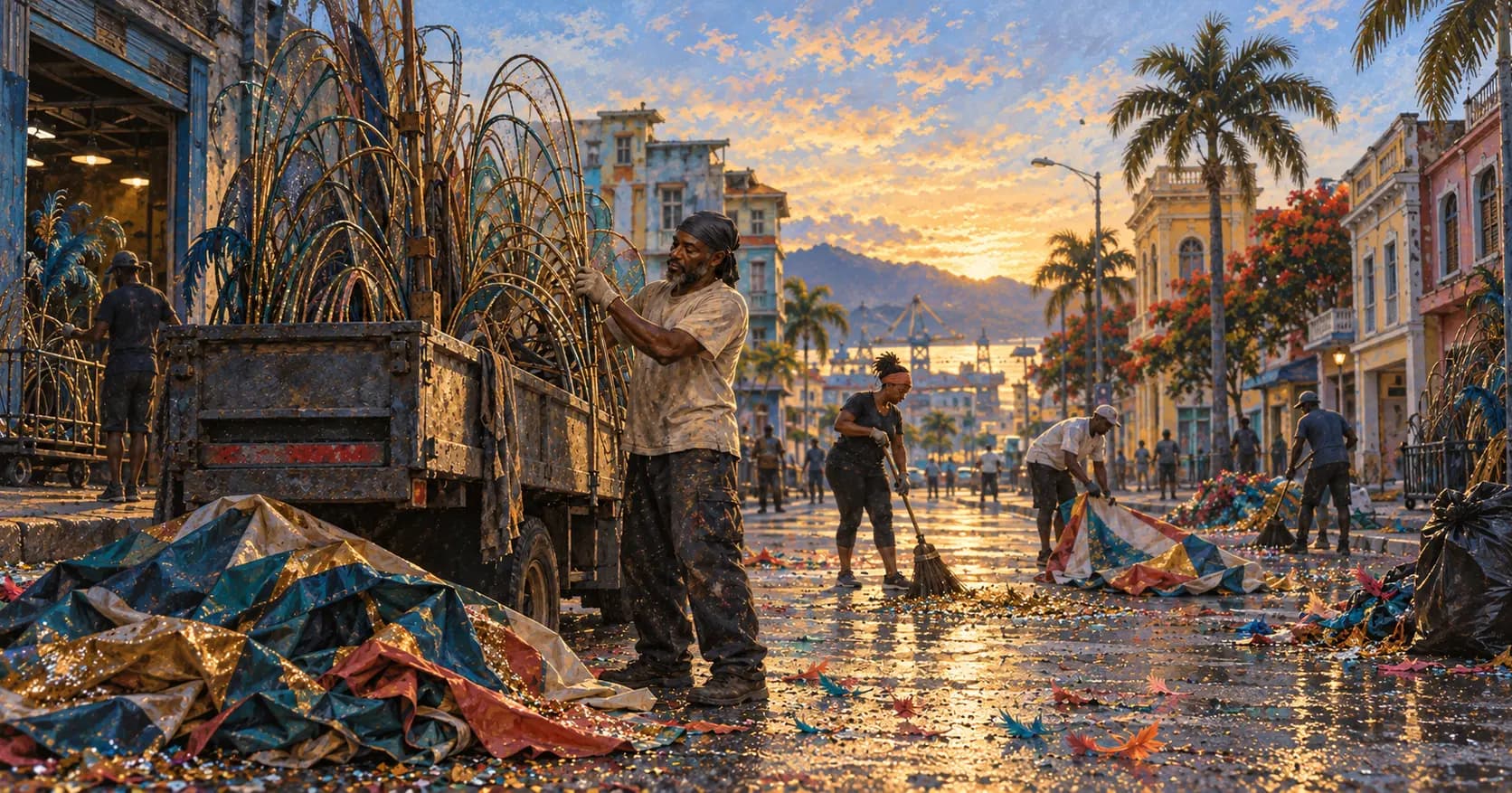
The best Carnival photograph I've ever taken wasn't taken during Carnival.
It was the following morning.
A man stood beside a truck in Port of Spain, carefully stacking costume frames that only hours earlier had filled the streets with colour. The music had stopped. The crowds had gone home. Someone swept glitter from the pavement while another volunteer folded banners that would not see daylight again for another year.
The photographs everyone shares are full of celebration.
The photograph I kept was full of work.
It reminded me that culture is rarely defined by its biggest day. It is defined by the people willing to return after everyone else has left.
The Main Essay
To understand Carnival, arrive one day late. Not because you'll see the parade. You won't. You'll see something much more revealing. You'll meet the people who built it.
For most visitors, Carnival lasts a weekend. For the communities behind it, Carnival lasts twelve months.
As soon as the final masquerader crosses the stage, conversations quietly shift. What worked? What broke? How can next year be better?
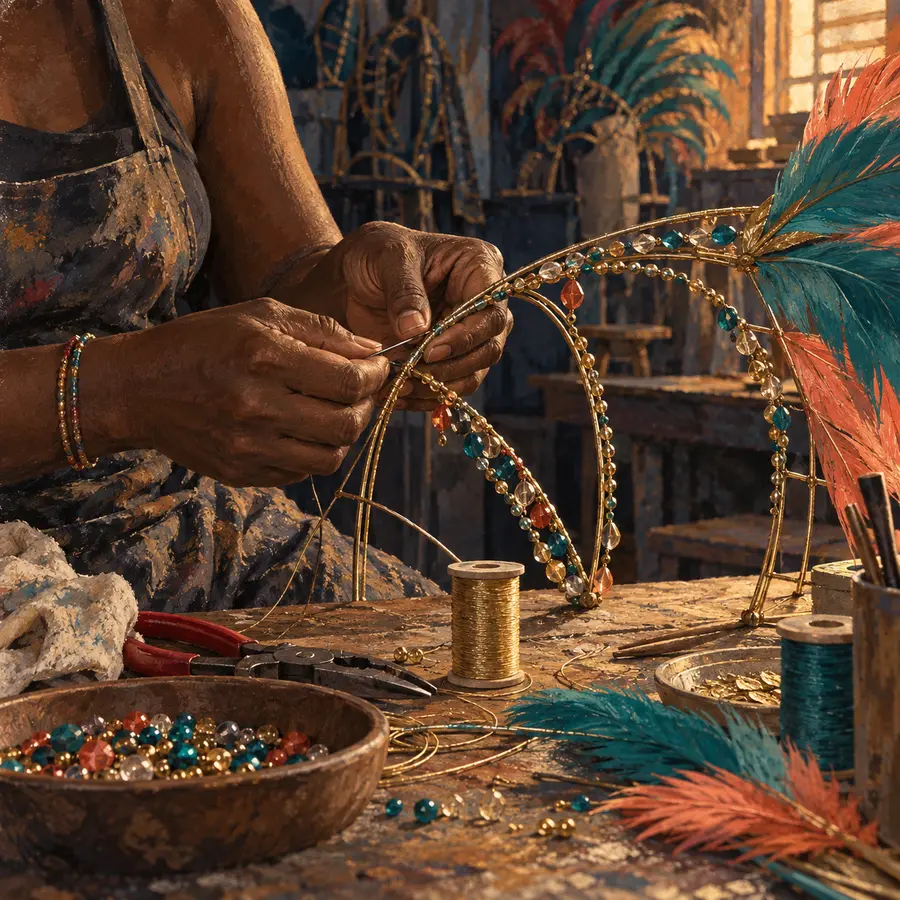
Designers sketch new ideas before the old costumes are fully packed away. Steelbands begin rehearsing again. Community groups start planning fundraisers. Costume makers repair tools that have barely cooled from months of use.
None of this appears in tourism advertisements. Yet this is where Carnival actually lives.
It lives in workshops that smell faintly of glue and fresh paint. It lives in panyards where teenagers learn from musicians old enough to remember another generation of arrangements. It lives around folding tables where volunteers argue over budgets while someone quietly passes around homemade pelau.
The spectacle is only the visible tip of an enormous community effort.
That becomes even clearer across the Caribbean diaspora. In Brooklyn, London, Toronto, Miami, and Rotterdam, Carnival has become more than an annual celebration. It has become an annual reunion.
Children born thousands of miles from Trinidad learn the rhythm of soca before they understand why it matters. Parents explain why costumes are designed rather than simply worn. Grandparents point toward the steelband and tell stories that begin with "Back home..."
Every generation adds another layer. No generation starts from nothing. That continuity is perhaps Carnival's greatest achievement.
Too often, it is described as an explosion of colour. Colour is easy to photograph. Meaning is harder.
Carnival remembers emancipation. It remembers resistance. It remembers communities that answered hardship with creativity instead of silence.
It also remembers joy. Real joy. Not the kind sold in advertisements. The kind earned after months of collective effort.
That is why the morning after matters. The streets are quieter. The feathers disappear. The music fades.
What remains are neighbours loading trucks together. Friends sharing one last meal before going back to ordinary jobs. Volunteers laughing through exhaustion because they already know they will do it all again next year.
There is something deeply Caribbean about that willingness to begin again. To build. To repair. To improve. To celebrate not because life is easy, but because celebration itself becomes a way of carrying difficult histories without allowing them to define the future.
Perhaps that explains why Carnival follows Caribbean people wherever they settle. They are not transporting an event. They are transporting a way of belonging.
The parade ends. The community does not.
The Rundown
Listen
Saint Lucia: Spend an evening with Joyce Auguste and The Hewanorra Voices. Notice how easily folk tradition slips into performance: this is the sound that put Saint Lucian folk music into the island's schools and onto its stamps.
Read
Cuba: Read Nicolás Guillén's poem Sensemayá. Even in translation, its rhythm demands to be read aloud.
Taste
Grenada: If you've never cooked with freshly grated nutmeg, this is the month to try it in a simple custard. The difference is remarkable.
Look Ahead
If there's a Caribbean festival within driving distance this summer, don't only attend the parade. Arrive early. Stay late. The conversations before and after often become the best part of the day.
The Send-Off
Kitchen Note
Toast whole allspice berries for thirty seconds before grinding them. Heat doesn't just strengthen the aroma. It reveals flavours that stay hidden when the spice goes straight from the jar into the pot.
We'll meet here again next month.
Continue with The Pulse
Receive the next Letter and new LuxTuris stories by email. Free, with no account required.
Keep reading with The Pulse
Free story updates and new Letter issues from LuxTuris. No account required.
Support LuxTuris
Every publication is free. Voluntary support helps sustain the reporting, editing, illustration, and publishing behind it.
Support the publication