
The Things That Survive the Journey
July 17, 2026
The complete issue, a printable recipe card, and a crossword. Yours to keep. No account or payment is required.
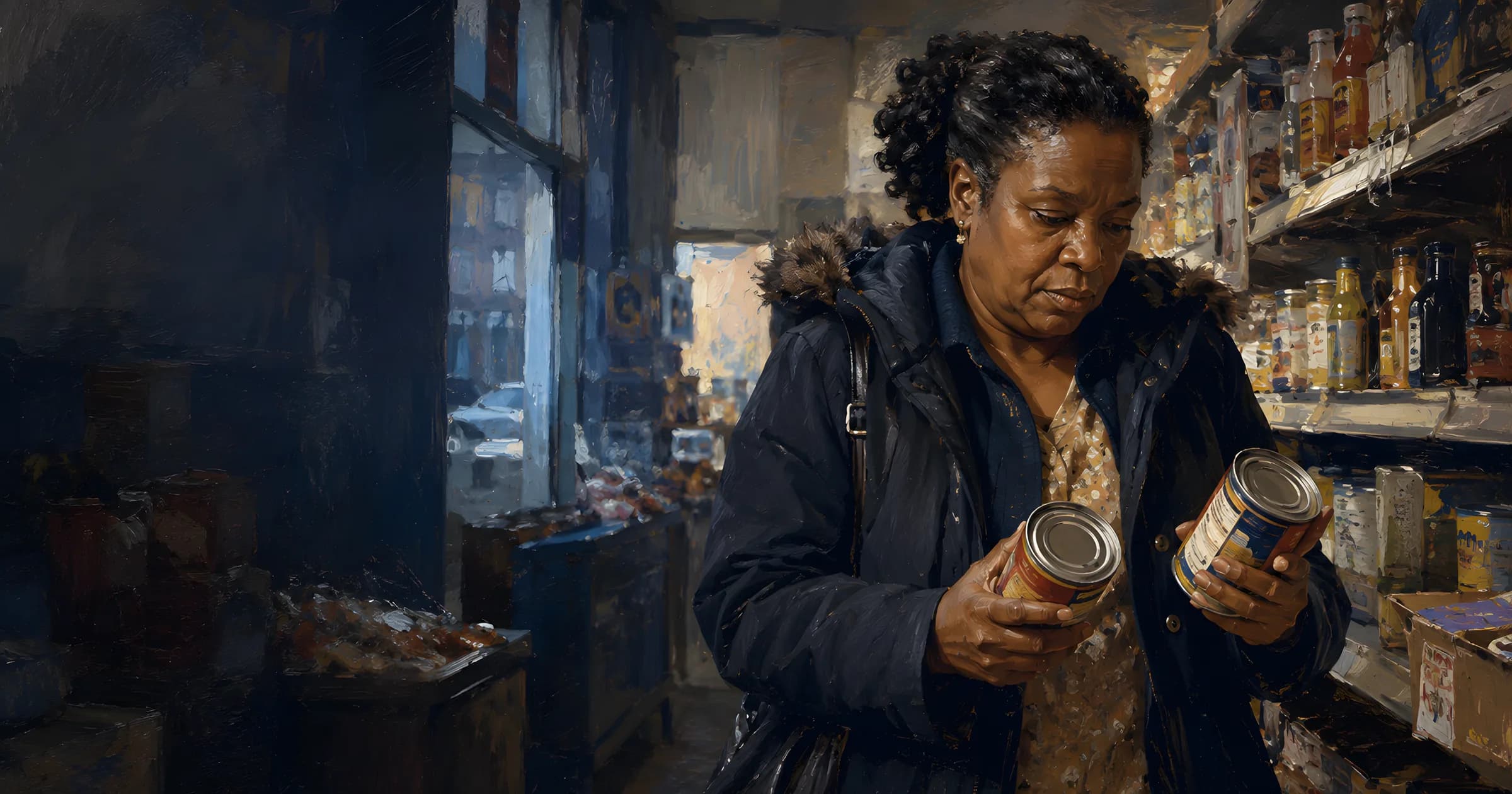
A woman stood in front of a grocery shelf in South London, holding two tins of Jamaican ackee as if they carried different versions of home. That quiet moment became the beginning of this publication. The Caribbean has never lacked remarkable stories. It has simply lacked enough people willing to tell them with the patience they deserve.
Get the next Letter free
Join The Pulse for the next LuxTuris Letter and new story alerts. No account and no payment required.
The Opening Note
A few weeks ago I found myself in a Caribbean grocery in Brixton, South London: shelves stacked with Grace products, barrels of yams by the entrance, a radio somewhere in the back playing old lovers rock just loudly enough to become part of the room.
A woman about my mother's age stood beside me studying two tins of ackee. She picked one up, put it back, then reached for the other.
The shopkeeper smiled. "That one tastes more like home."
No sales pitch, no performance of nostalgia: just two people who understood exactly what "home" meant without either of them needing to explain it. I drove away thinking about how many moments like that disappear every day without anyone writing them down.
The Main Essay
The Caribbean is often introduced through its scenery. The photographs come first. Water impossibly blue. Palm trees leaning toward empty beaches. A rum punch catching the afternoon light. The people usually arrive somewhere around paragraph four. It has always struck me as the wrong order.
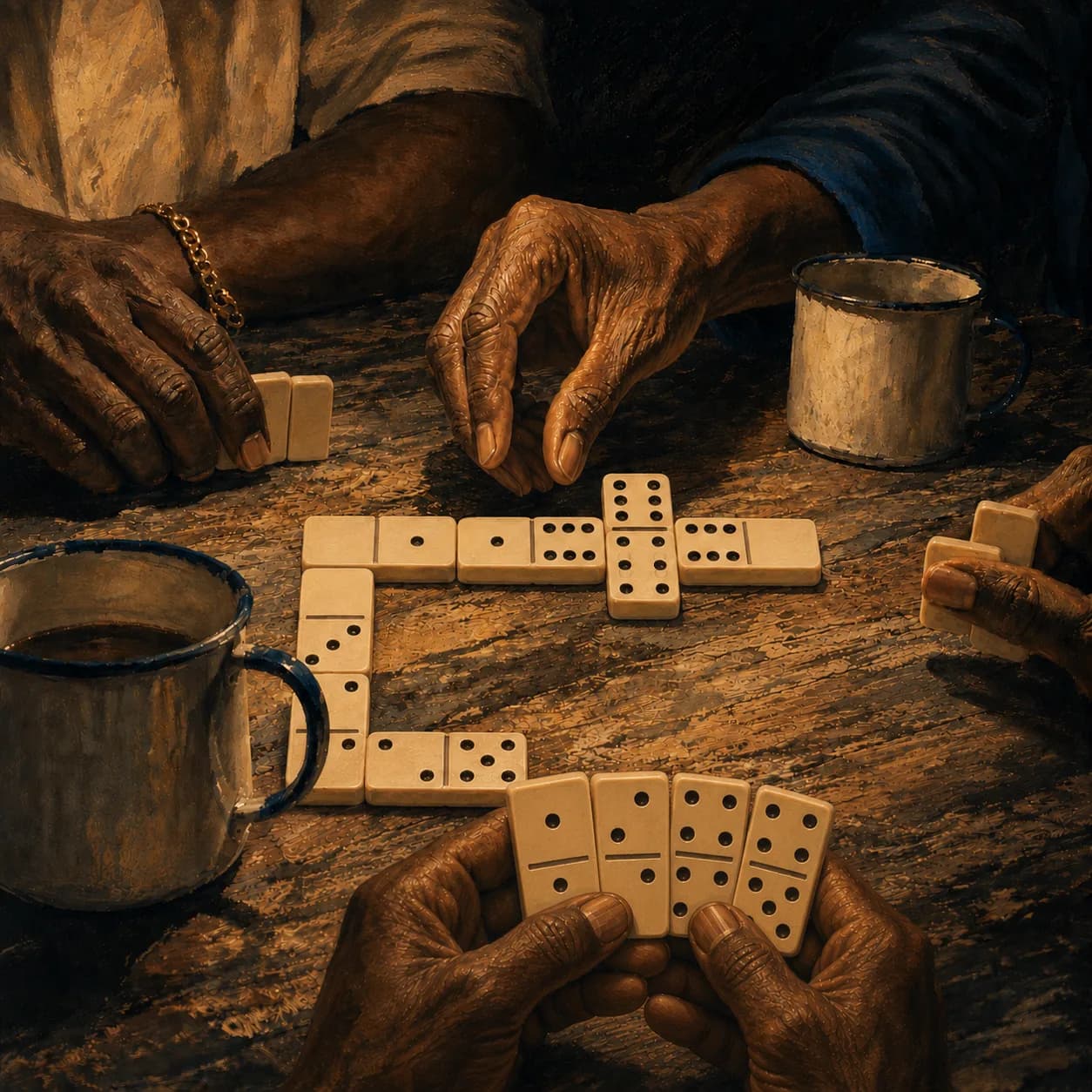
If you ask someone from Kingston what they miss after moving abroad, they rarely begin with the sea. They miss hearing patois drift across a market. They miss the sound of dominoes cracking against a wooden table. They miss Saturday mornings when someone is already seasoning chicken before the rest of the house has fully woken. They miss neighbours who never knocked because they had known your grandmother longer than they had known you.
Home leaves in surprisingly ordinary pieces.
That morning in Brixton, I kept watching people move through the shop. A young father let his son choose a bottle of peanut punch from the refrigerator. Two elderly women debated which bakery still made the best hard dough bread. Someone walked in asking whether fresh callaloo had arrived yet. No one seemed to be in a hurry.
The supermarket outside sold food. This place sold continuity. It reminded me that migration changes many things, but it rarely changes appetite.
Across London, Toronto, New York, Atlanta, and countless other cities, Caribbean grocery stores perform a quiet kind of work. They preserve measurements that were never written down. They keep arguments alive about whose black cake is properly soaked and whose pepper sauce has become too polite. They allow children born thousands of miles from the islands to discover that ackee is not an exotic ingredient. It is simply breakfast.
Food is often described as culture. That is true, but incomplete.
Food is memory with a deadline.
If recipes are not cooked, they disappear. If stories are not repeated, they become family rumours. If songs are not played, silence eventually replaces them.
Every generation inherits the same responsibility. Carry what deserves carrying.
The Caribbean has spent centuries doing exactly that. African traditions crossed the Atlantic under unimaginable circumstances and survived. Indian communities brought spices, techniques, and festivals that became inseparable from national identity. Chinese shopkeepers, Lebanese merchants, Portuguese families, Indigenous knowledge, and European influence all became threads in something larger than any one origin story. The remarkable achievement was never that these histories met. It was that they learned to live beside one another without losing themselves entirely.
Too much writing about the Caribbean flattens that complexity. We become beaches. Resorts. Cruise ports. A playlist. A plate of jerk chicken. The places where life actually happens are treated as background scenery.
Yet culture rarely announces itself from a stage. It lives in barber shops where every customer becomes part of the conversation. In cricket grounds where three generations disagree about the greatest innings ever played. In church kitchens where recipes survive because nobody measures anything. In fishing villages where the same hands repair nets their fathers once repaired. In front verandas where the evening breeze carries stories from one house to the next.
Those places are not charming details. They are the archive.
Long before museums collected Caribbean history, ordinary people were preserving it through habit. The grandmother correcting your pronunciation. The uncle insisting there is only one proper way to cook rice and peas. The neighbour who always sends children home carrying fruit they never asked for.
None of these moments make international headlines. All of them explain who we are.
Perhaps that is why I cannot stop thinking about the woman choosing between two tins of ackee. To someone walking through the shop for the first time, she was buying groceries. To someone who understood the question she was asking, she was trying to shorten the distance between South London and Jamaica.
Not every journey home requires a passport. Sometimes it begins with breakfast.
The Rundown
Listen
Jamaica: Put on Dennis Brown's Love Has Found Its Way. Listen beyond the chorus. The warmth in his voice explains why lovers rock never really disappeared. It simply stopped asking for attention.
Cook
Trinidad and Tobago: Make doubles, even if your bara is less than perfect. You'll learn more about the balance of pepper, channa, and texture by cooking one batch than by reading ten recipes.
Read
Barbados: Start the opening chapter of George Lamming's In the Castle of My Skin. It remains one of the finest portraits of Caribbean childhood ever written, and it rewards slow reading.
Go
Wherever you live: Find the nearest independently owned Caribbean grocery and spend twenty minutes inside without a shopping list. Ask one question. Buy one ingredient you've never cooked before. You'll leave understanding far more than what's on the receipt.
The Send-Off
"Every mickle mek a muckle."
Literally, little things become big things.
My grandmother never used it when speaking about money. She used it when speaking about character. A kindness repeated becomes generosity. A recipe repeated becomes tradition. A story repeated becomes history.
Thank you for spending part of your day with me.
We'll meet here again next month.
Continue with The Pulse
Receive the next Letter and new LuxTuris stories by email. Free, with no account required.
Keep reading with The Pulse
Free story updates and new Letter issues from LuxTuris. No account required.
Support LuxTuris
Every publication is free. Voluntary support helps sustain the reporting, editing, illustration, and publishing behind it.
Support the publication